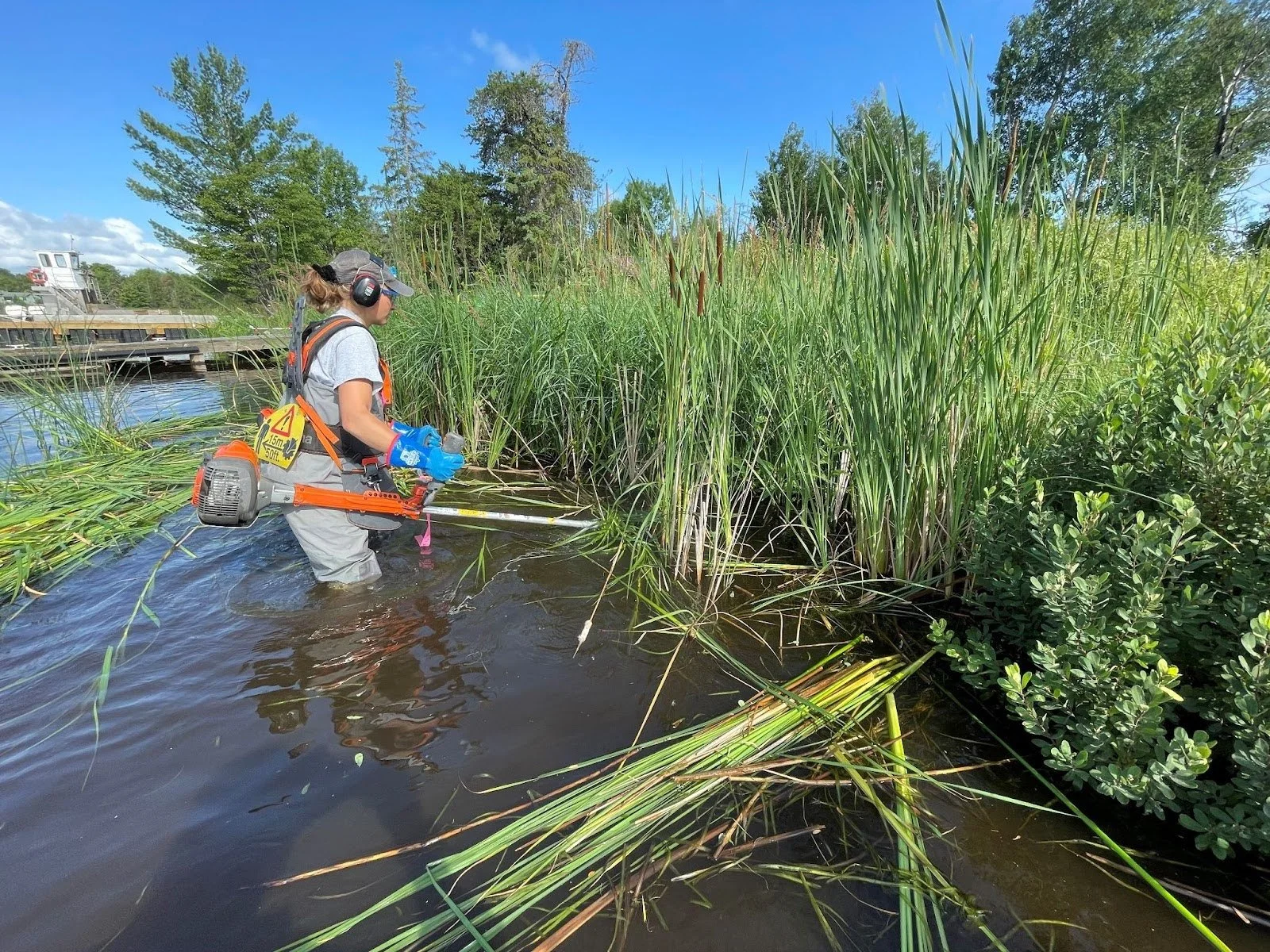
Have you ever seen cattail growing in roadside ditches, along riverbanks, or even in patches of wetlands larger than football fields? Odds are that you have. This is because cattail is extremely easy to identify and grows just about everywhere. Unfortunately, the most common type of cattail to see is known as Typha x glauca—an invasive hybrid. This aggressive hybrid is a cross between native broadleaf cattail (Typha latifolia) and the introduced narrowleaf cattail (Typha angustifolia). Hybrid cattail can quickly turn a thriving wetland filled with a diversity of plants, fish, and wildlife into a dense monoculture stand which does not provide adequate food or habitat for other species. Hybrid cattail is a formidable foe, but members of the Voyageurs Wetland Project are fighting back.
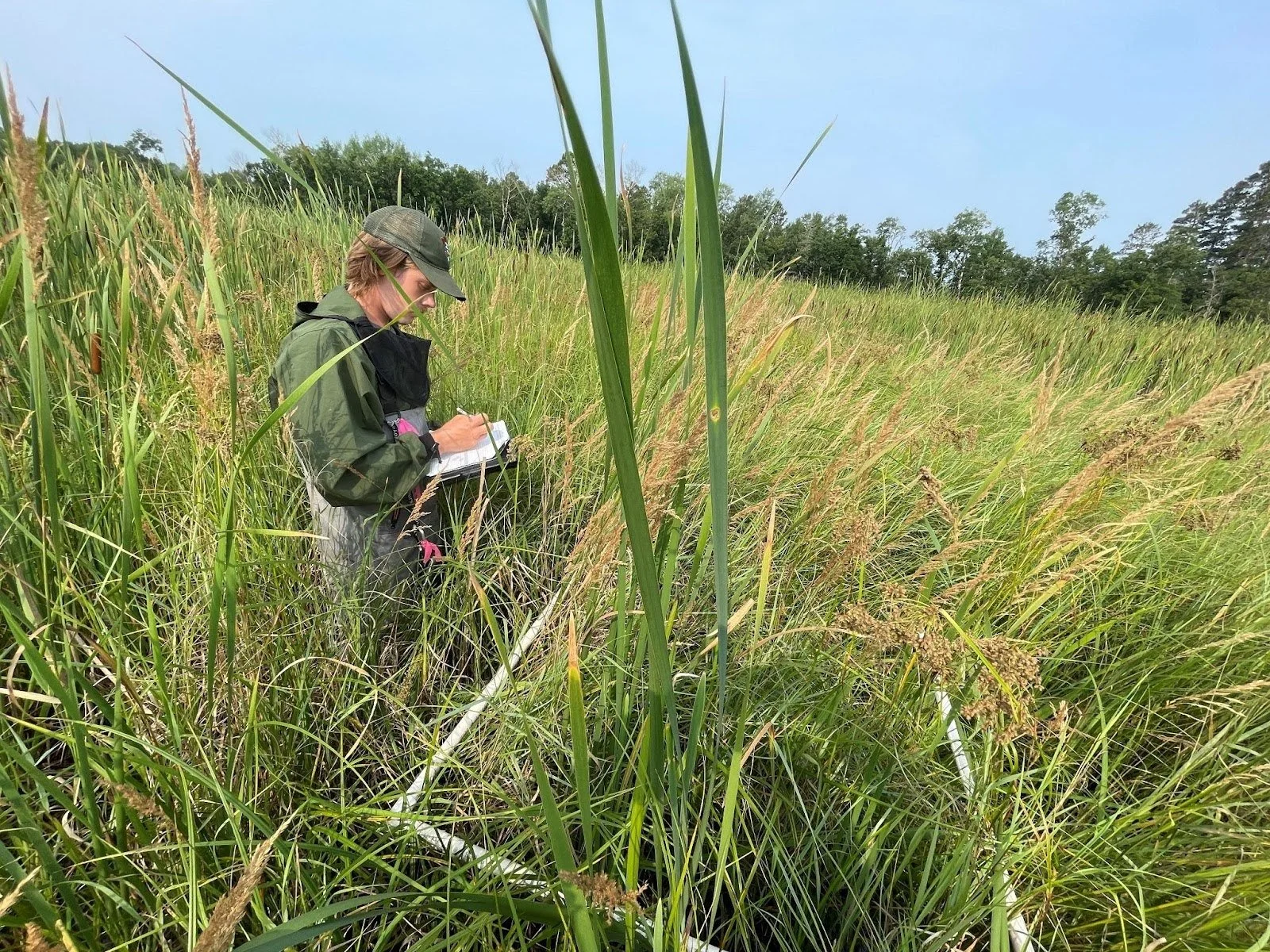
For decades, hybrid cattails were invading the waters of Voyageurs National Park. In 2015, however, the park received funding for the removal of non-native cattail and restoration of wetlands—thus the Voyageurs Wetland Project was born.
What began as an effort to restore a 15-acre bay has grown into a large-scale, three phase, restoration program funded by the Lessard-Sams Outdoor Heritage Council targeting 500 acres of wetlands that have been impacted by non-native, hybrid cattail. Wetland restoration is extremely hard work that requires patience and perseverance. However, we are beginning to see the beautiful rewards of all the effort.
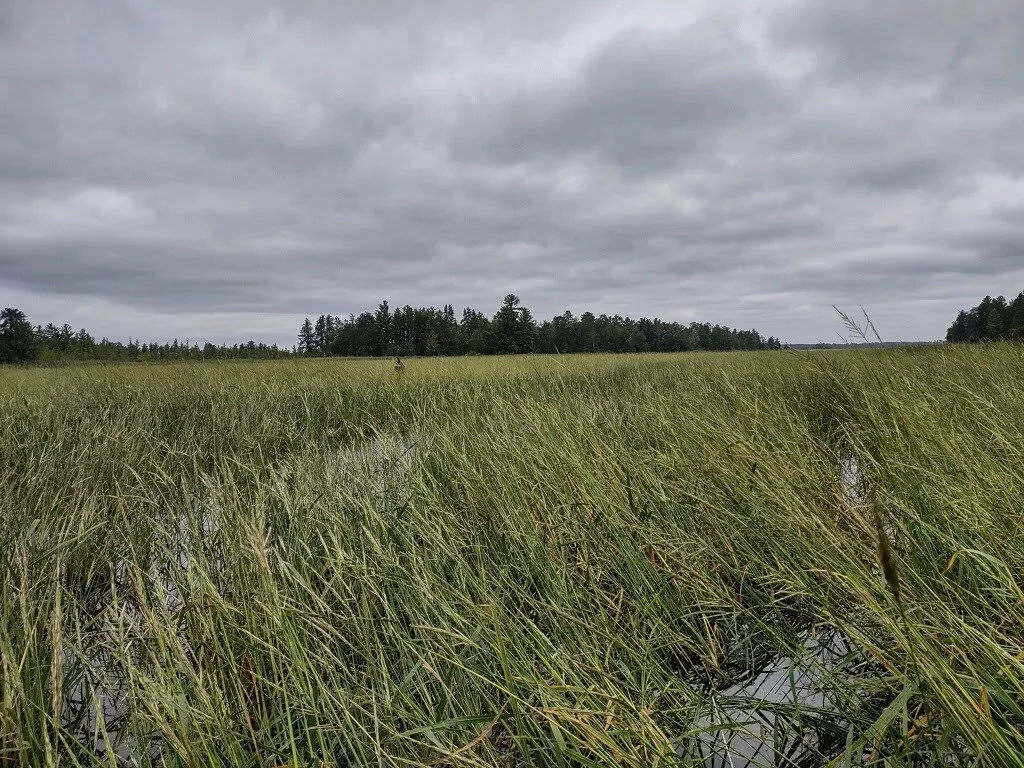
In wetlands that were once overrun with non-native hybrid cattail, we are seeing the return of many native plants from those as showy and beautiful as the blue flag iris to those as small as sundews and duckweeds. Pollinator species are returning to thewetlands, and secretive marsh birds such as the American Bittern are nesting in them once again. Along with the increased biodiversity, an extremely important indicator species has begun growing again.
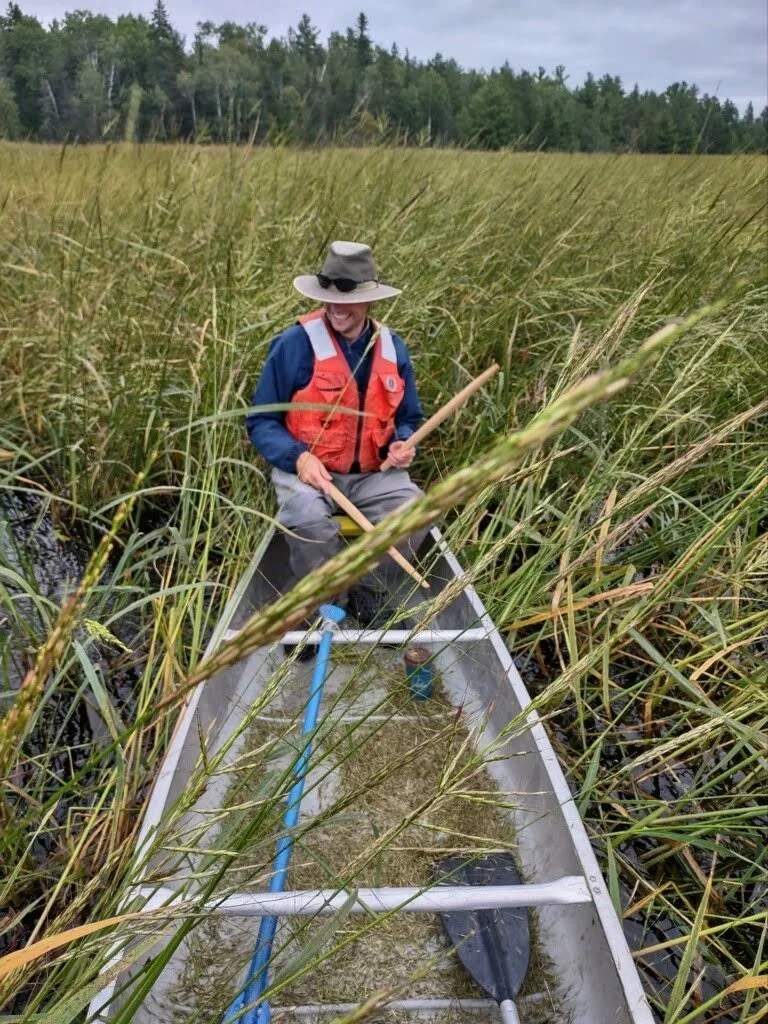
Wild Rice, or Manoomin/Psiŋ (Anishinaabe/Dakota), is an aquatic grass species that holds significant cultural and spiritual value to indigenous peoples of the area. It is a fantastic source of food for humans and wildlife, provides habitat and assists in many ways to maintain ecological balance. Wild rice is sensitive to several different environmental conditions, so the return of wild rice in these restored wetlands tells us we are doing things right. The Voyageurs Wetland Project will be seeking to increase its knowledge of wild rice monitoring and management as a way to continue working to restore the wetlands to their natural and healthy state.