
#20: Ted and Fern Monson
Hoist Bay: From Logging Camp to Monson’s Lakeside Retreat
In the early 1900s, Hoist Bay was a bustling center of Minnesota’s logging industry. As part of the Virginia and Rainy Lake Lumber Company’s vast operations, the bay served as a key transfer point: logs floated in from surrounding forests were hoisted onto railcars, bound for the sawmill in Virginia, Minnesota. Between 1913 and 1929, an estimated 13.5 million board feet of lumber passed through the site. It was hard, physical work in all seasons, and for a time, Hoist Bay pulsed with activity. But as the most accessible timber was cut, the industry at Hoist Bay faded, leaving behind a quiet shoreline marked by rusted machinery, foundations, and the memory of long days’ labor.
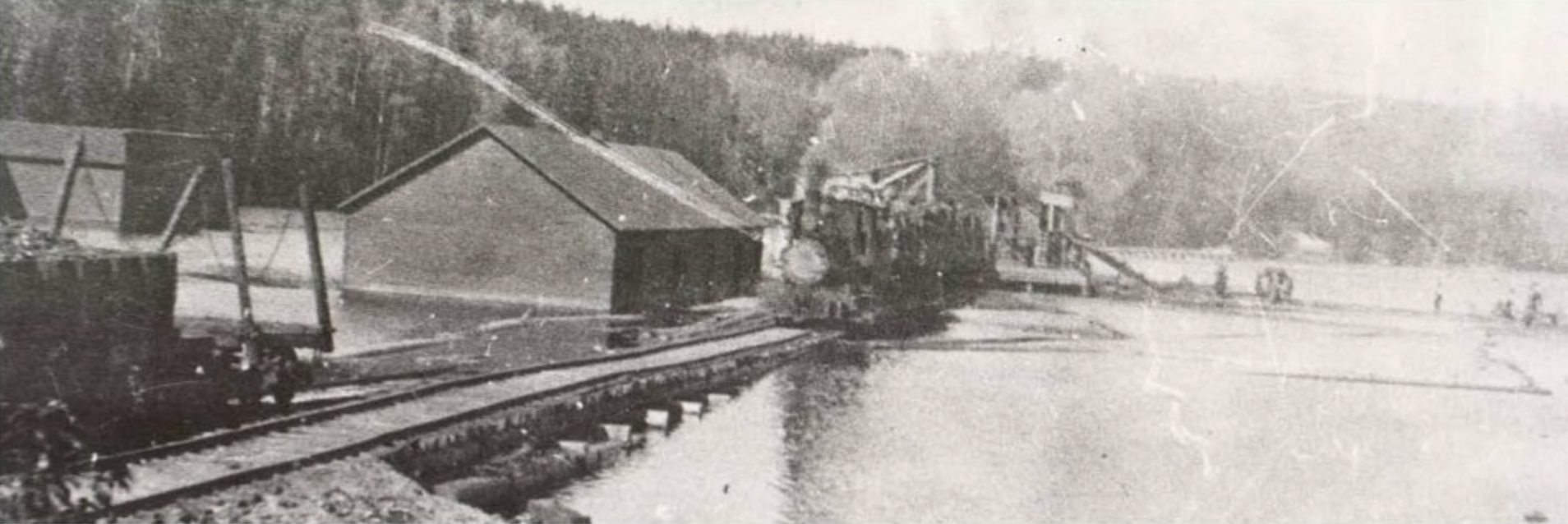
Photo Credit: NPS
Between 1913 and 1929, approximately 13.5 million board feet of lumber were processed through Hoist Bay. The site bustled with activity, with workers spending long hours in challenging conditions contributing to one of the state’s largest logging operations. However, by the end of the 1920s, the easily accessible timber had been depleted, and operations at the bay ceased, leaving behind a scarred but storied landscape.
In the years that followed, the property traded hands nearly fifty times. Each new owner tried something different, but nothing lasted. The remnants of its logging past – rusted equipment, decaying foundations, and scattered timbers – were slowly reclaimed by the wilderness. But then, in 1939, Ted and Fern Monson arrived with a new vision.
Drawn to Hoist Bay’s beauty and seclusion, they purchased the land and began the painstaking work of transforming the site into a summer retreat. Over the next six years, they built four large cabins, each with four bedrooms, a kitchen, and a living room. By the 1950s, they had added electricity and indoor bathrooms – a modern luxury in the North Woods at the time. As word spread, the Monsons expanded to 14 buildings in total, hosting guests who came for fishing trips, paddling adventures, lakeside campfires, and the peace of a summer evening under northern skies.
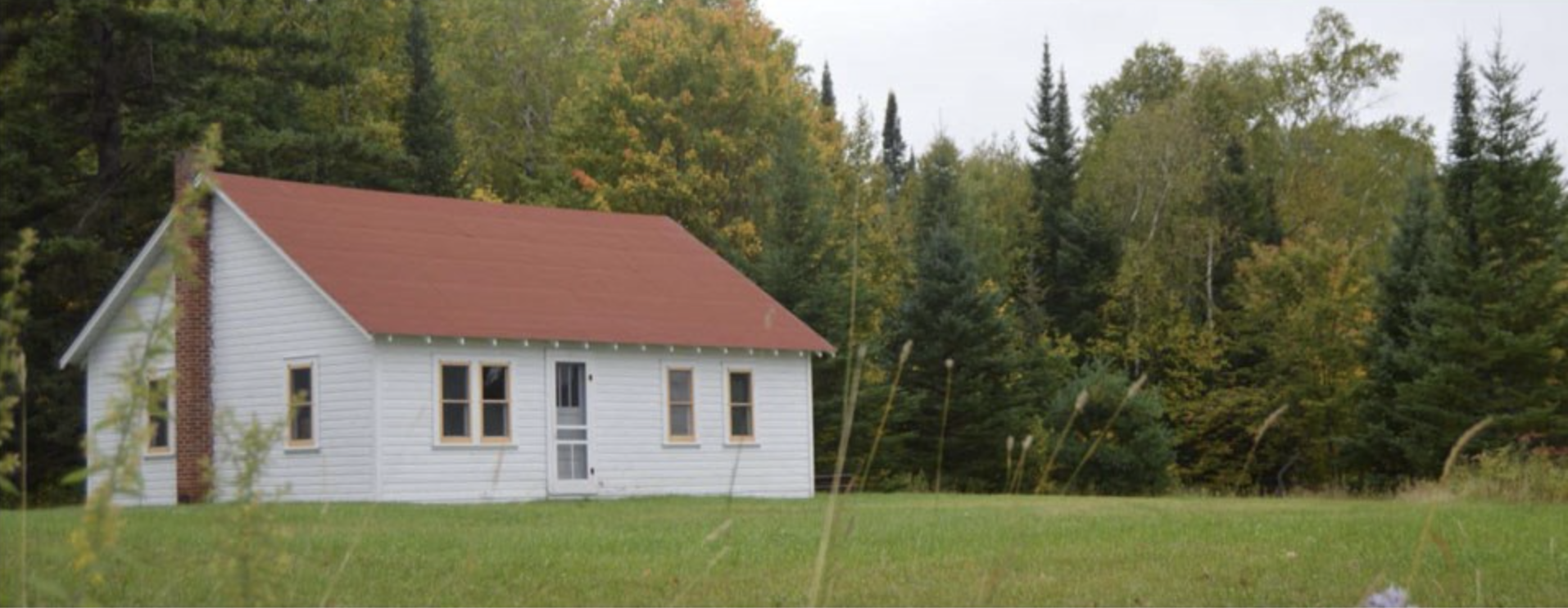
Photo Credit: NPS
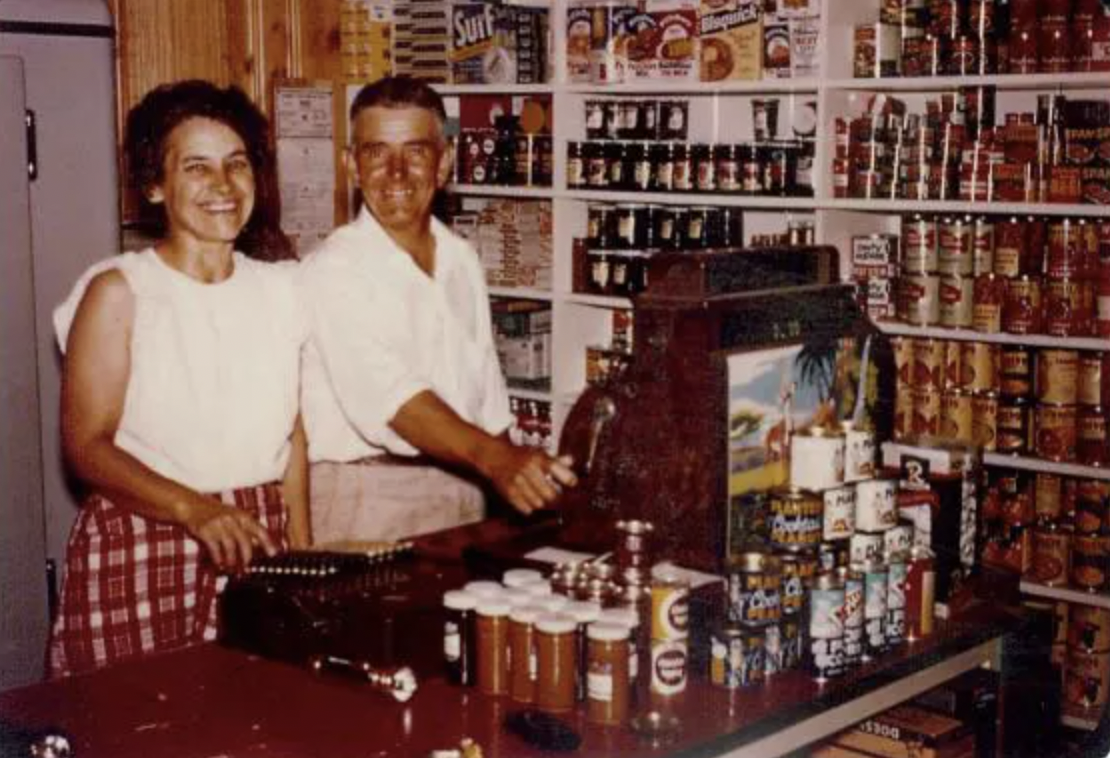
Photo Credit: NPS
For 35 busy summers, the Monsons welcomed families, friends, and travelers to Hoist Bay, offering a place where the worries of the world seemed far away. In 1973, they sold the resort, closing a beloved chapter. Today, Hoist Bay is preserved as a historic day-use area within Voyageurs National Park, inviting visitors to wander its shores, imagine its past, and experience a landscape shaped by both industry and hospitality.
Learn more and plan your visit to Hoist Bay here.
Check out the full list of our 50 legacies!
This year, we’re celebrating 50 years of Voyageurs National Park by sharing 50 inspiring stories of the people who shaped its legacy. Years, 50 Legacies is a yearlong storytelling series highlighting individuals whose lives are woven into the fabric of the park – whether through conservation work, cultural traditions, recreation, research, or personal connection.
Raise a canteen and celebrate this historic milestone with us at our 50th anniversary website. Don't forget to subscribe to our newsletter for more inspiring stories and updates!
