
November 2025 Night Sky Explorer by Bob King
Now that we’re back on standard time, nighttime begins a full hour earlier. In many locales the sky is dark by 6:30 p.m. The upside is that we can stargaze early and not worry about losing sleep. The downside is colder temperatures. Be sure to dress warmly. Chemical hand warmers tucked into gloves and boots really help make your time spent outdoors more bearable. Battery-operated electric gloves are another excellent option.
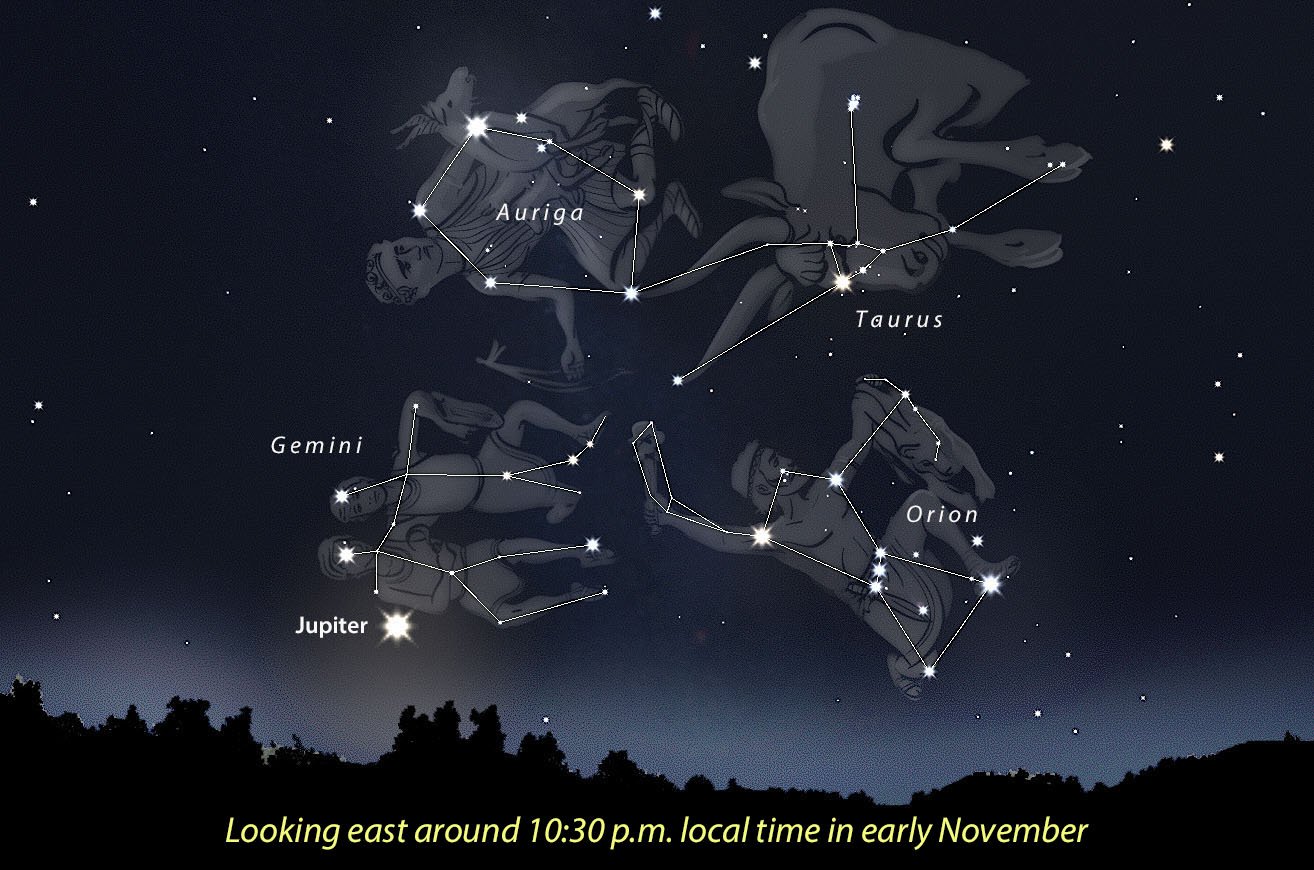
Saturn is now high in the south as early as 7:30 p.m. local time. Through a telescope, the rings are nearly edge-on and so thin they look like a fine, white line bisecting the planet. Jupiter is up in the northeastern sky around 10:30 p.m. in early November; by month’s end, it rises much earlier, around 9 p.m. Venus is slipping away, moving back in the direction of the sun. Look for it very low in the southeastern sky in the growing light of dawn through mid-month. After that, it disappears in the solar glare.

Comet Lemmon, which gave us a great show in October, is slowly fading and dropping lower in the southwestern sky. When the moon departs the scene about November 8, the comet will still be visible in binoculars from a dark sky. I’ll provide an updated map for locating it on my Astro Bob Astronomy for Everyone Facebook page at facebook.com/astrobobking.
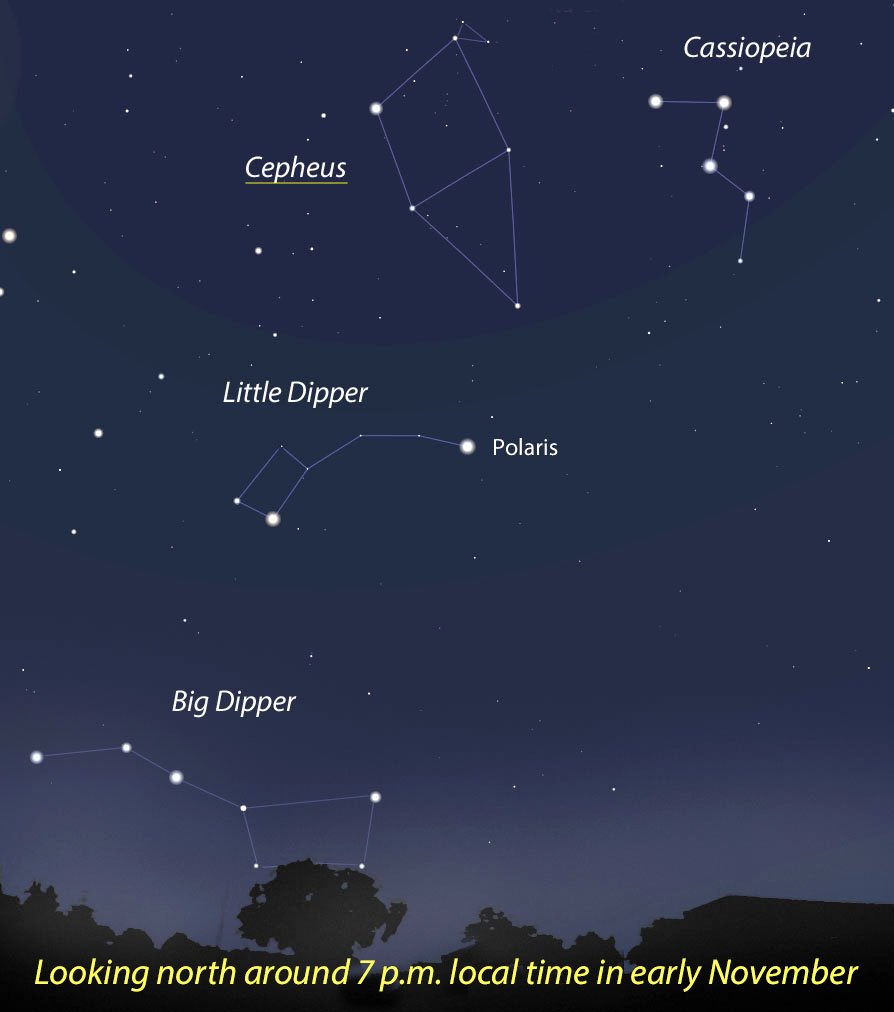
Our featured constellation is Cepheus, the king. He sits to the left of his wife, Queen Cassiopeia. Cepheus is shaped like a child’s drawing of a house with a peaked roof. While he has fewer bright stars than his queen, the figure is about the same size and easy to find. The constellation stands almost directly above the North Star around 7 p.m. local standard time.
Cepheus was the mythological king of Ethiopia, a country very different from the current-day one. It included parts of what we now know as the Middle East. The story goes that his wife, Cassiopeia, was so vain she angered Poseidon, the ancient Greek god of the sea. To punish her, he sent the sea monster Cetus to ravage the country’s coast. King Cepheus was advised to sacrifice his daughter, Andromeda, to the monster to pacify the deity. He chained her to a rock along the shore, but before Cetus could reach her, the Greek hero Perseus arrived, vanquished the beast and rescued the princess. In exchange for his heroic deed, he received her hand in marriage.
Download the free Stellarium Mobile app for Android and iPhone to help you find and identify the current planets and constellations. Do a Google search, then install the app, set it in night mode (red screen) and point your phone skyward. For a free November sky map and calendar go to skymaps.com/downloads.html.
Events (a.m. indicates the event happens in the morning sky):
Nov. 1 – Waxing gibbous moon shines to the right of Saturn
Nov. 2 – Daylight Saving Time ends at 2 a.m. Set your clocks back one hour and enjoy the extra sleep — something we stargazers always appreciate.
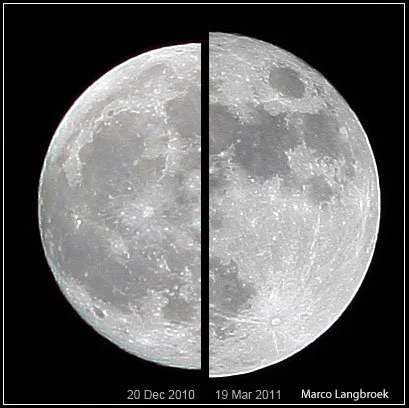
Nov. 5 – Full Beaver Moon. Rises around local sunset and sets the next morning around sunrise. Tonight’s full moon is the biggest of the year because it’s the closest. In recent years, we’ve come to call these extra-close moons supermoons. If we could see a typical full moon and a supermoon side by side, the size difference would be obvious. But since that’s impossible, it’s tricky to tell. Can you discern the difference?
Nov. 1-7 – For a brief week, the International Space Station arcs across the early evening sky. For a complete list of flyovers for your city, log in to heavens-above.com, select your location and then click the blue ISS link. Or download and install NASA’s Spot the Station app at the App Store or Google Play.
Nov. 5 and 12 – The North and South Taurid meteor showers are active for much of the month and peak on these dates. Despite producing only around 5 meteors per hour, the showers feature bright, slow fireballs. They’ll stream from near the Pleiades (Seven Sisters) star cluster, located in the eastern sky.
Nov. 9 – Waning gibbous moon shines between Jupiter and Pollux, Gemini’s brightest star, tonight.
Nov. 11 (a.m.) – Last quarter moon. The half-moon stands high in the south around the time of sunrise.
Nov. 17 (a.m.) – Peak of the annual Leonid meteor shower. About 15 meteors are visible per hour from a dark sky in the early morning hours of the 17th. They’ll stream from the head of Leo the lion, an asterism also known as the Sickle. The moon will be a thin crescent and not spoil the view.
Nov. 20 – New Moon. The moon lies in the same direction as the sun and isn’t visible because it’s in the daytime sky.
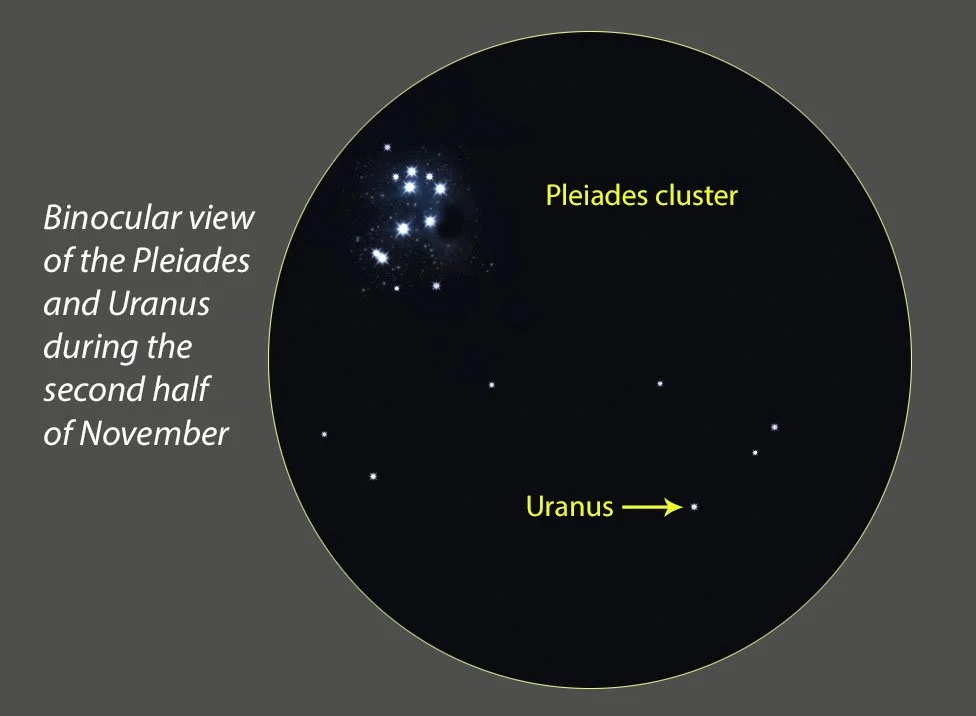
Nov. 21 – Uranus is at opposition and closest to the Earth for the year. It’s near the Pleiades (Seven Sisters) star cluster. The planet is just bright enough to spot with the naked eye from a rural sky if you know exactly where to look. In binoculars it’s easy to see. The map above shows the planet’s location from mid to late November.
Nov. 27 – First quarter moon. The half-moon stands approximately due south around sunset and sets around midnight. Visit my Astro Bob page on Facebook at facebook.com/astrobobking for updated astronomy news, aurora forecasts and the latest comet maps.
Clear skies! --- Bob
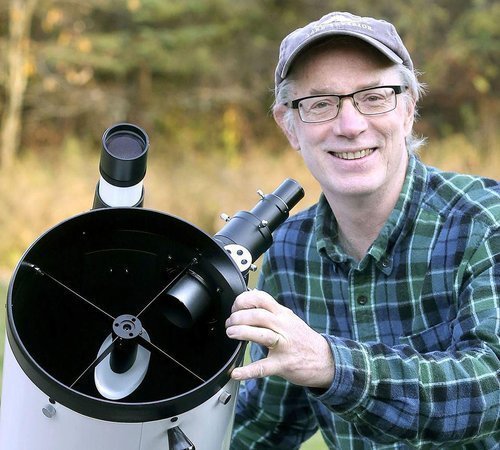
Bob King is an amateur astronomer, author, and passionate educator. He served as a photographer and photo editor at the Duluth News Tribune for 39 years and taught at the UMD planetarium. Bob’s work had a great impact on Voyageurs National Park. To achieve International Dark Sky Park certification, the park was required to host dark sky education events. Through the Night Sky Explorer webinars, the Conservancy was able to fulfill this component and help secure the certification for Voyageurs National Park. We can’t thank Bob King enough for sharing his talents and knowledge with the Conservancy community to support dark sky preservation.
