By: Larissa Juip
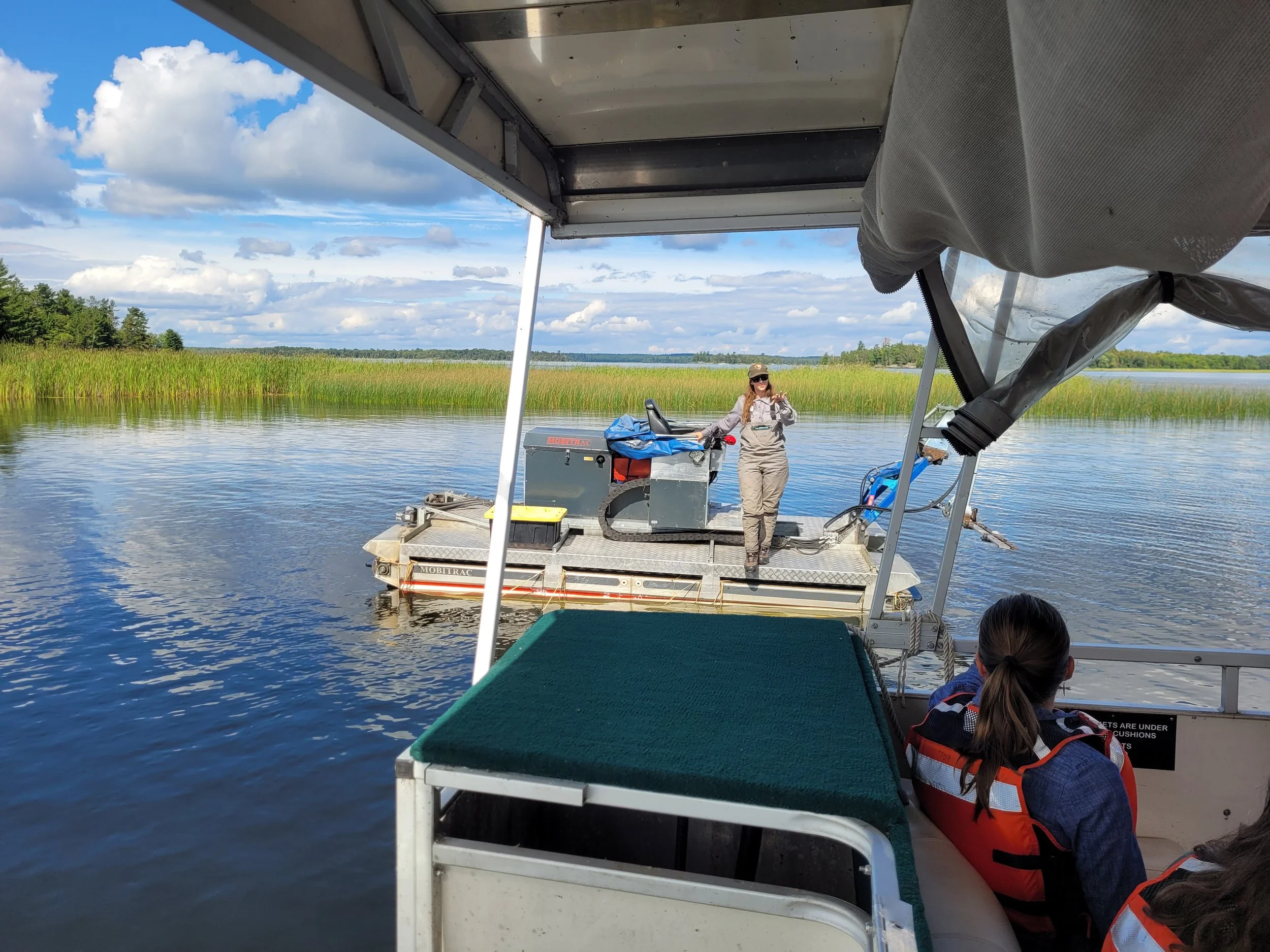
In the land of 10,000 lakes, wetlands are an important part of our landscape, producing unique ecosystems that support the plants and animals we love most here in Minnesota, like muskrat, the yellow rail marsh bird, and wild rice. When nearly 20% of the state (over 10 million acres!) consists of wetlands, the responsibility to care for and protect these ecosystems is critical. Luckily, Voyageurs National Park has a champion in Haley Smith and her team. Haley is Voyageurs National Park’s Wetland Restoration Ecologist.
For nearly 10 years, Haley has spearheaded the wetland restoration work at Voyageurs, along with National Park Service seasonal staff and Voyageurs Field fellows. Focused on the removal and mitigation of hybrid cattails (Typha x glauca), Haley’s team employs several methods including controlled burns, underwater cutting, and total removal of the hybrid cattails. In 2026, they tackled 48 acres, helping to restore vital habitat for waterfowl and native plant species, like manoomin, or wild rice.
The restoration and revitalization of manoomin is important not just for the health of the ecosystem but also to the 26 Tribal, First Nations, and Métis communities with deep cultural ties to the park, sentiments shared through the Tribal Co-Stewardship work supported by Voyageurs Conservancy’s Tribal program. Manoomin (the good berry) has been a staple food for the Indigenous Peoples that have called Minnesota home for as long as it has grown here. Today, it faces many threats, including the impact of invasive species, habitat loss and degradation, extreme weather events, and water quality issues.
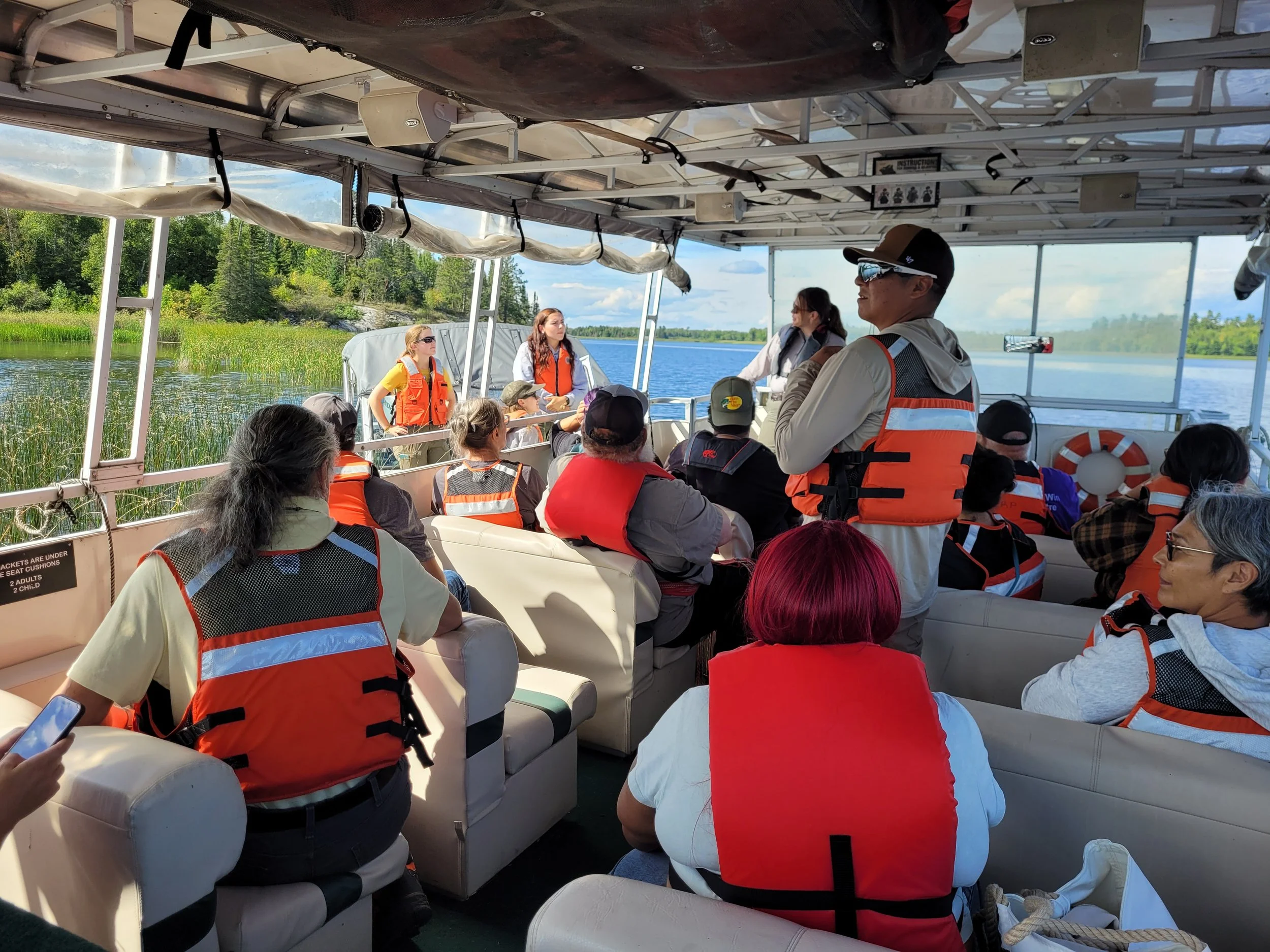
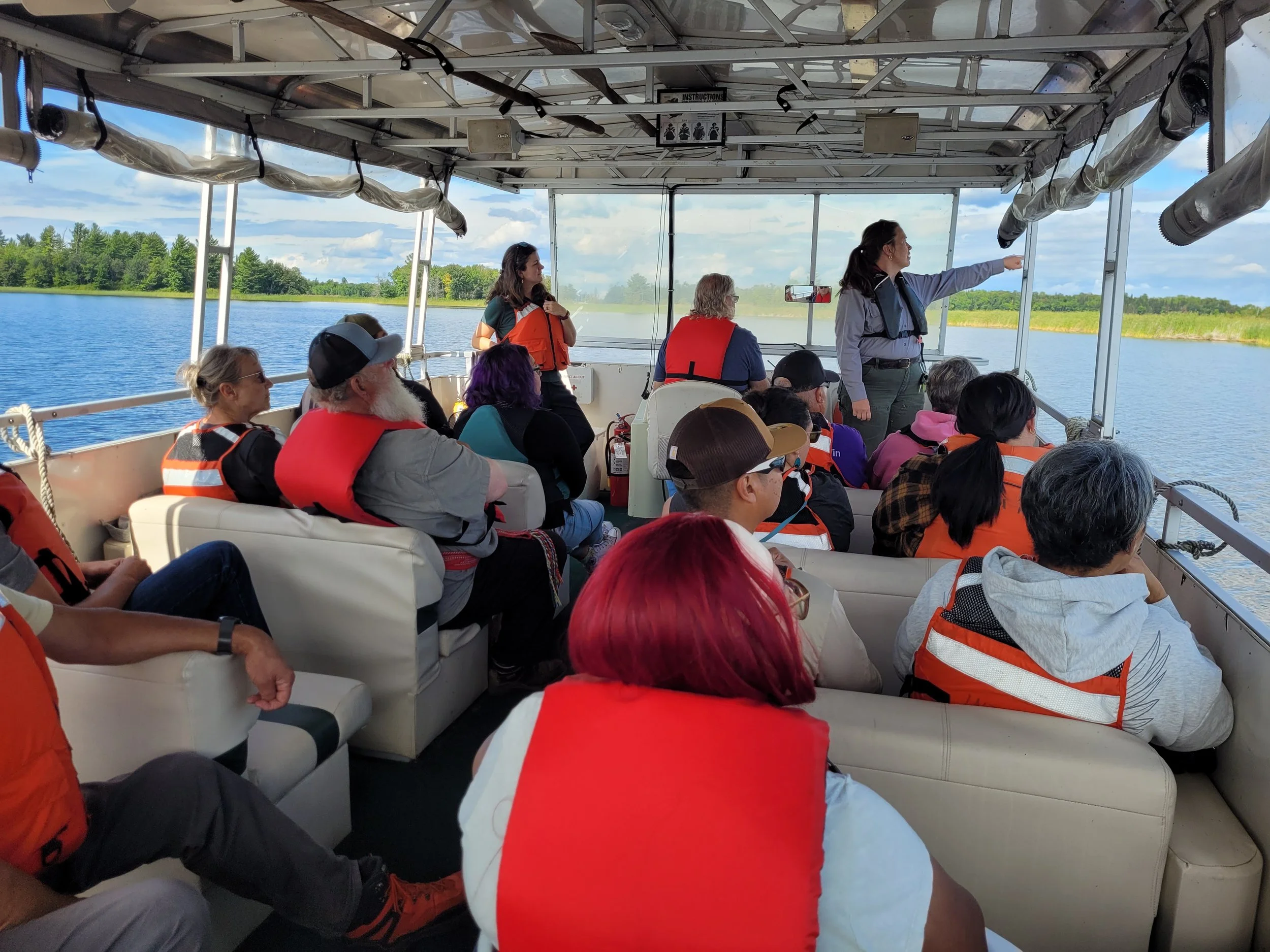
Beginning in 2024, Voyageurs National Park has hosted Tribal, First Nations, and Métis community members to share an annual update on wetland restoration progress and learn from community partners. These events have been a great opportunity to shed light on the park’s efforts to restore wetlands and to connect to Indigenous community members who are passionate about wetland restoration, including natural resource professionals undertaking similar work in their own communities. Wetland restoration is meaningful for our Indigenous partners for many reasons: it creates vital habitat for fish and waterfowl; it means overall healthier water quality and ecosystems; and it promotes the growth of wild rice, a culturally significant food source for many Indigenous Peoples in the region.
This Native American Heritage Month, we encourage you to support a Tribal community or member near you by purchasing traditionally harvested and parched manoomin and cooking it your favorite way. For our Tribal Program Manager, Larissa, that means creamy wild rice soup! As wetland restoration work continues in Voyageurs National Park and our partnerships with Indigenous communities grow, we look forward to continuing to support work like this and connecting our Indigenous partners to these restored landscapes.
To learn more about Voyageurs’ Wetland Restoration Project and its funders, visit the NPS site.