
Zebra Mussels at Voyageurs National Park
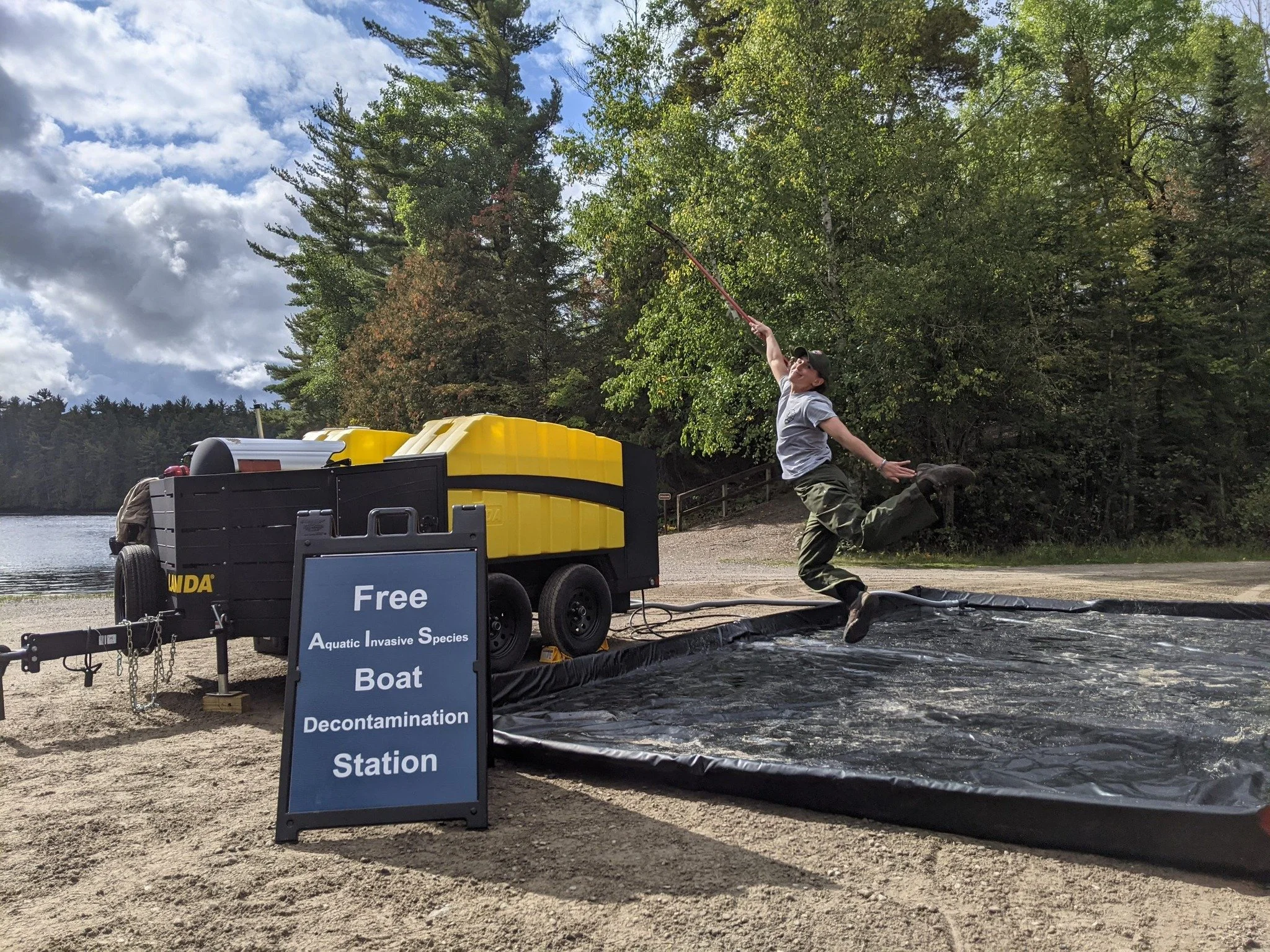
Voyageurs National Park establishes vessel decontamination stations to prevent the spread of zebra mussels
Changes in portage operations, requiring AIS decontamination, is in response to the discovery of zebra mussel veligers (larvae) in Black Bay of Rainy Lake. Voyageurs National Park management now requires all vessels, regardless of size, crossing the Kettle Falls Portage from Rainy to Namakan Lake be decontaminated by trained staff. In addition, transporting vessels at Gold Portage will be allowed from Kabetogama Lake to Black Bay of Rainy Lake only.
What Can Visitors Expect at Kettle Falls:
When crossing from Rainy Lake to Namakan Lake:
Boaters will be required to drain bait containers, live wells, ballast tanks, bilge areas, and any other water holds on vessels and equipment.
Be prepared to transport caught fish on ice from one lake to another.
Have a plan to maintain bait once bait containers are drained.
Trained staff will decontaminate all boats (including canoes and kayaks) with a washer using water heated to 140°
When crossing from Namakan Lake to Rainy Lake:
Boaters will be required to drain bait containers, live wells, ballast tanks, bilge areas, and any other water holds on vessels and equipment.
Be prepared to transport caught fish on ice from one lake to another.
Have a plan to maintain bait once bait containers are drained.
Portaging across the Kettle Falls Portage from Rainy to Namakan Lake without decontamination or portaging from Rainy Lake to Kabetogama Lake via Gold Portage is a violation of the law. The violation is a Class B Misdemeanor and violators will be subject to enforcement action with penalties of up to 6 months imprisonment and/or a $5000 fine for each offence.
These operational changes are being implemented to minimize the risk of human activities further transporting zebra mussels upstream within the Rainy Lake Watershed. It is recognized that zebra mussels can significantly harm aquatic ecosystems by reducing the health and populations of native fish and native mussels, cause considerable economic loss resulting from clogged water intake systems, fouled boat motors, and reduce waterfront property values.
Zebra mussels, an aquatic invasive species with destructive ecological impacts, have been found in Rainy Lake
Stretching miles across the Minnesotan and Canadian border, Rainy Lake is known for its spectacular recreation and angling opportunities. Serving as a major gateway to Voyageurs National Park, approximately one-third of the lake falls within the park’s borders. Rainy Lake’s outstanding waters are now threatened by an unwelcome visitor.
Regarded as one of the most destructive aquatic invasive species, zebra mussels have been confirmed in Black Bay of Rainy Lake, just outside of the Voyageurs National Park’s boundary. Microscopic zebra mussel larvae (known as “veligers”) were identified in four out of the five water samples taken by the Minnesota Department of Natural Resources in July 2021. The presence of larvae in samples suggests zebra mussels are reproducing - threatening the delicate ecosystems of Voyageurs National Park’s interconnected lakes.
As the park’s partner, the Voyageurs Conservancy is collaborating with the National Park Service (NPS) to prevent the spread of this destructive species and will continue to keep members informed on actions we can all take to protect the health of our aquatic ecosystems and native fish.
Zebra Mussels: Your Questions Answered
What is a zebra mussel?
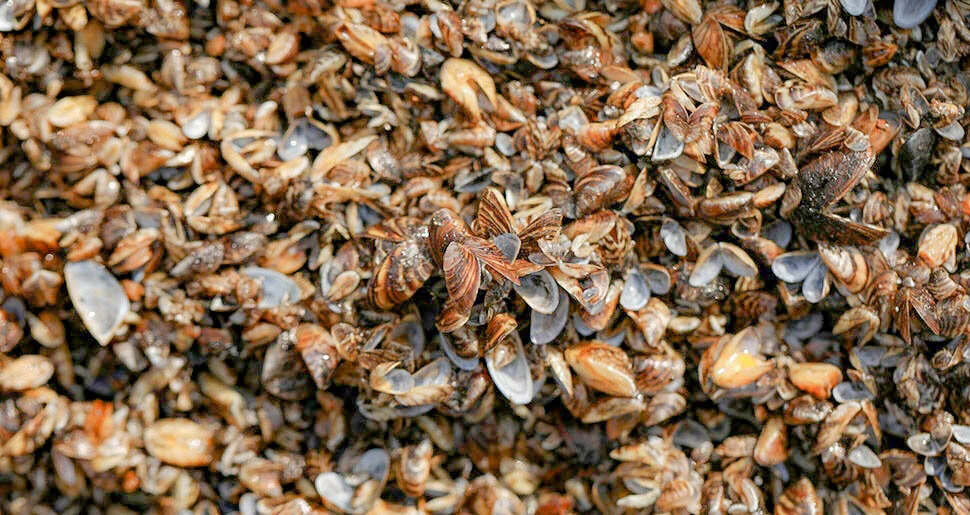
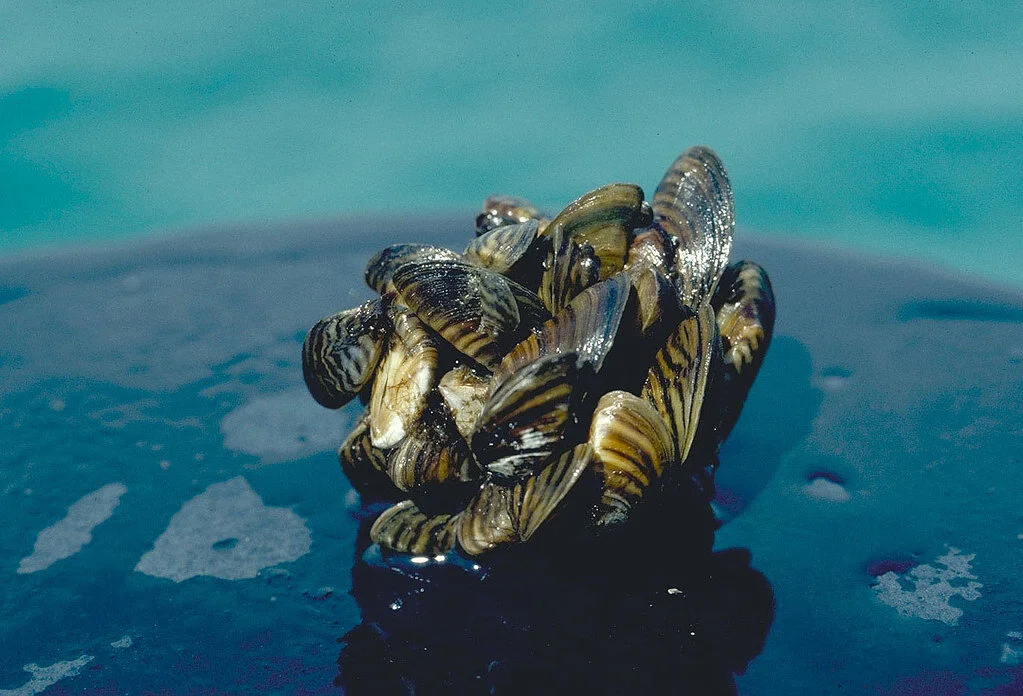
Zebra mussels are mollusks that, as adults, are about the size of a dime with yellowish and brownish stripes and two D-shaped shells connected at a hinge. Females can produce 100,000 - 500,000 eggs per year. Originally from freshwater ecosystems in Eastern Europe, they are thought to have arrived in North America in ballast water from large ships traveling between continents.
Why does it matter if zebra mussels spread throughout Voyageurs National Park?
Zebra mussels can cause local extinction of native mollusks and reduce available food for native fish. This could have a significant impact on some of Voyageurs National Park’s most beloved fish, including walleye.
A study conducted by the University of Minnesota, Minnesota DNR, and Voyageurs National Park found that first-year walleye were smaller in Minnesota lakes infested with zebra mussels and spiny water fleas - both of which have been found in Rainy Lake - than those in uninfested lakes. As filter feeders, zebra mussels eat plankton, an important food source for growing walleye. Lower food availability can lead to lower young walleye survival rates and may reduce populations overall.
Zebra mussels also cause major economic damage estimated at over one billion dollars per year in North America. In a process called biofouling, large quantities of zebra mussels attach to any hard surface in a body of water, be it a stationary object or living creature, and can clog water intakes and can reduce waterfront property values. All of these sharp shells can be a danger to swimmers and pets.
Why is it important to respond quickly to the zebra mussel invasion?
Zebra mussels have not been detected in Kabetogama, Namakan, and Sand Point lakes. However, zebra mussels could be introduced to any of these interconnected lakes, allowing them to spread quickly throughout the interconnected waterways of Voyageurs National Park. Delaying infestation in the surrounding major lakes and interior lakes (smaller lakes primarily located within the Kabetogama Peninsula) is key in managing and protecting our aquatic ecosystems.
“Delaying the infestation of new lakes as long as possible is of great importance. There are always new technologies and control systems to combat this invasive species in development. By slowing this spread to other lakes, we could prevent irreversible harm.”
Looking forward
Each of Voyageurs’ 30 lakes is a little different, each hosts an array of members of the Voyageurs community. Careful monitoring and conservation efforts can help ensure that the 54 species of fish, 240 bird species, and 10 types of amphibians, as well as the moose, beavers, turtles, anglers, macroinvertebrates, and microscopic organisms that rely on healthy waterways continue to live in balance with one another.
It is somewhat unclear exactly what long-term impacts zebra mussels might have on Rainy Lake. While they do accumulate in massive groups, or biofoul, on any stationary surface, vast mats of shells might also provide protection for small aquatic species. Zebra mussels eat plankton that are important for walleye growth, and also filter a quart of water per day, making it easier for some species to see their prey. Some aquatic species have even started eating zebra mussels. While we do not know exactly how Rainy Lake will change, we do know that once introduced to a new ecosystem, zebra mussels can take over fairly quickly and outcompete native species. We know that we do not want to gamble on the future health of Voyageurs, especially as it already faces the impacts of climate change. It is our job, as stewards of Voyageurs, to keep our waters healthy and free from aquatic invasive species.
The good news is that there are many things we can do that keep lakes and watercraft in top shape, and there are lots of organizations that want to help.
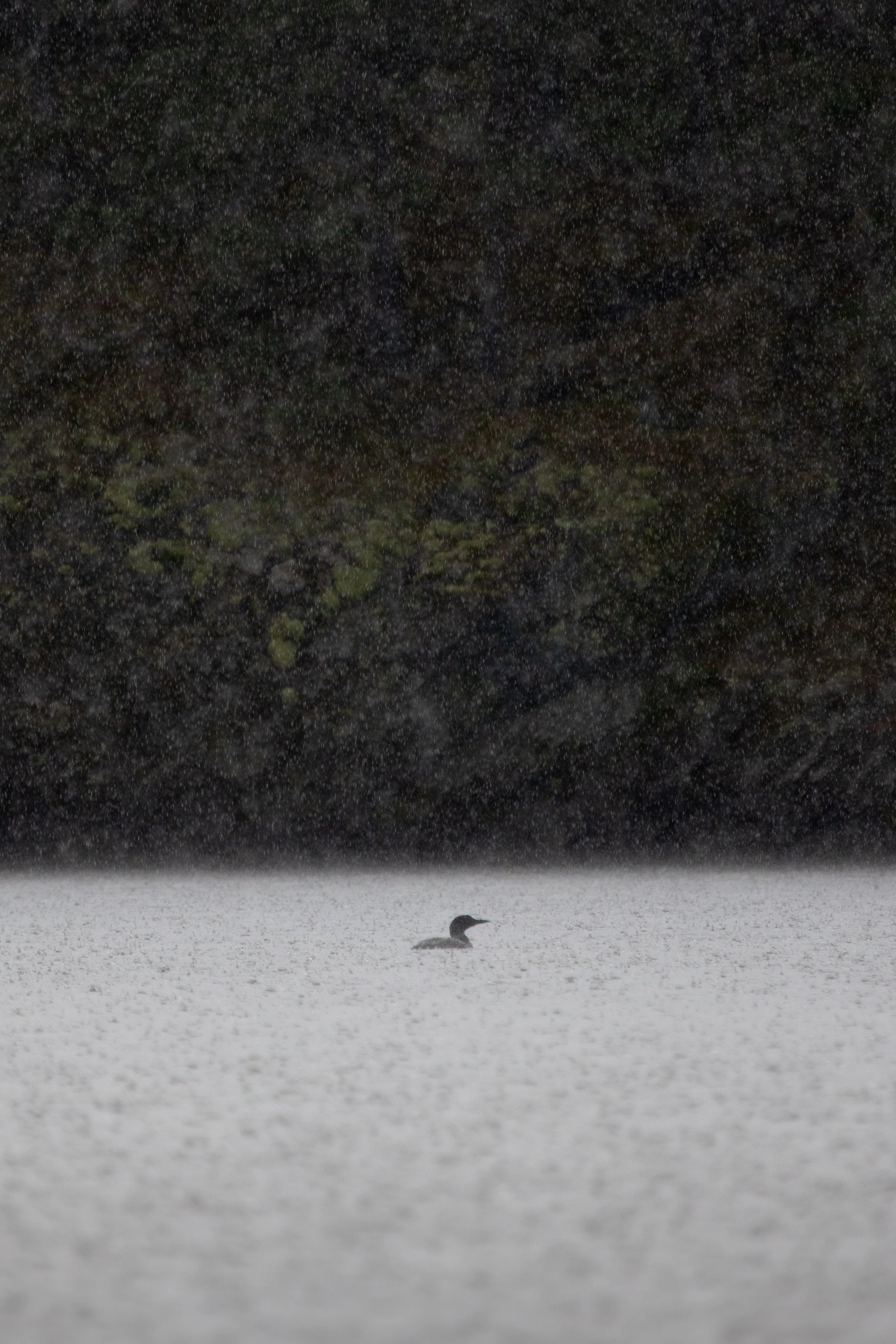
Nils Peterson
You can help protect Voyageurs
Inspect your boat, trailer, and equipment, including fishing line, and remove visible aquatic plants, animals, and mud before leaving the water access.
Drain water from your boat, motor, bilge, live wells, and bait containers before leaving the water access.
Dispose of unwanted bait and other aquatic plants and animals in the trash.
Spray off boats and equipment with water at least 140° F for at least one minute, or dry boats and equipment for five days before moving them to a different body of water. Resources at decontamination sites can help with cleaning.
On the park’s pristine interior lakes, visitors must use NPS watercraft and only artificial bait.
Bring a separate set of gear that is likely to contact lake water (including fishing gear) to use on the interior lakes, or before using any gear on an interior lake, make sure that all gear has been thoroughly dried for at least 5 days or washed with hot water (>140° F) for at least one minute.
Donate - the Conservancy funds staffing and equipment to support the park’s response to zebra mussels.