

Keep Voyageurs Wild
In 1975, the Voyageurs Conservancy helped establish Minnesota’s national park so the lands, waters, history and wild nature of Voyageurs are protected for present and future generations. Learn more about the Conservancy’s conservation and stewardship projects below.
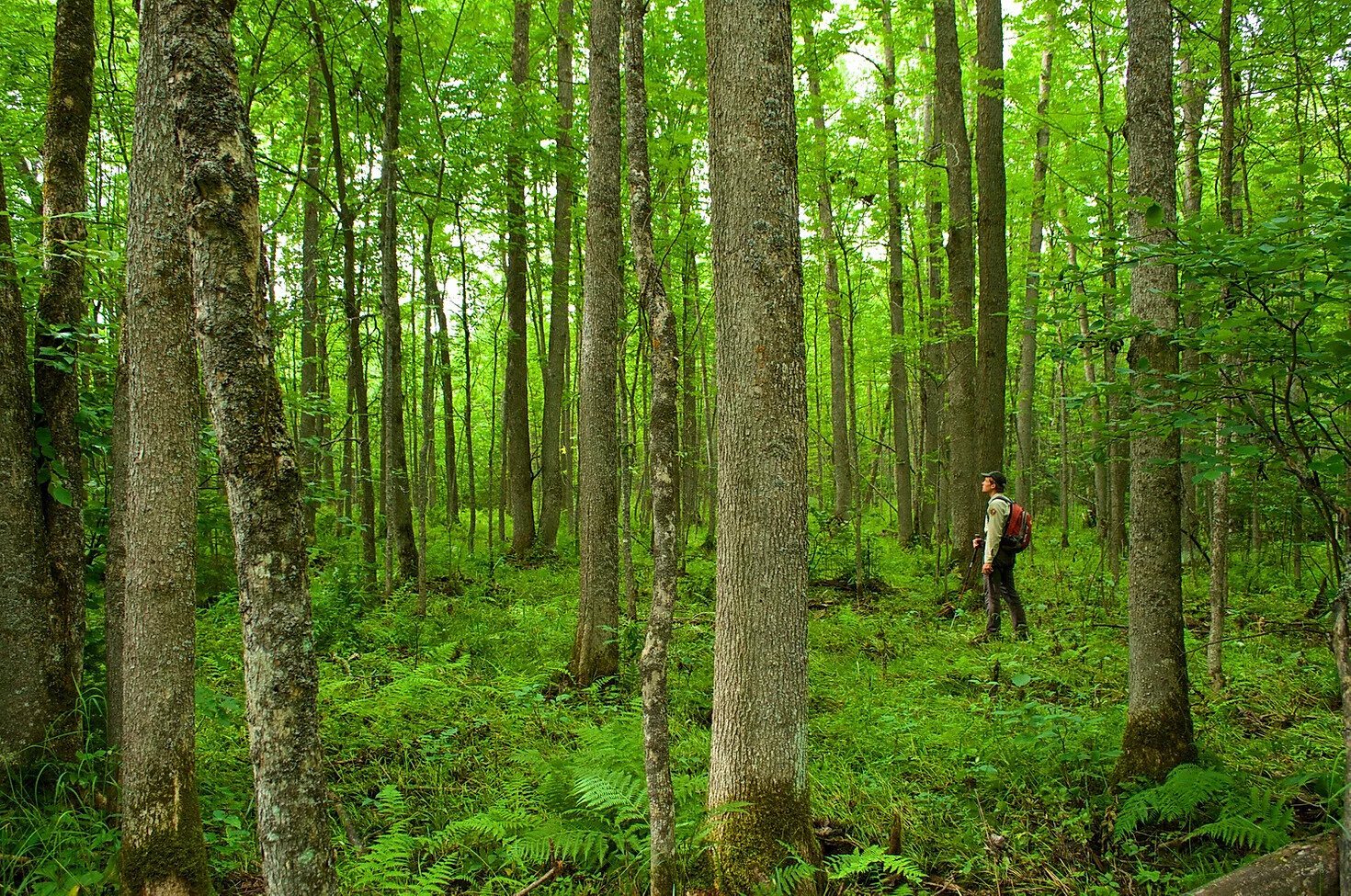
Land Conservation
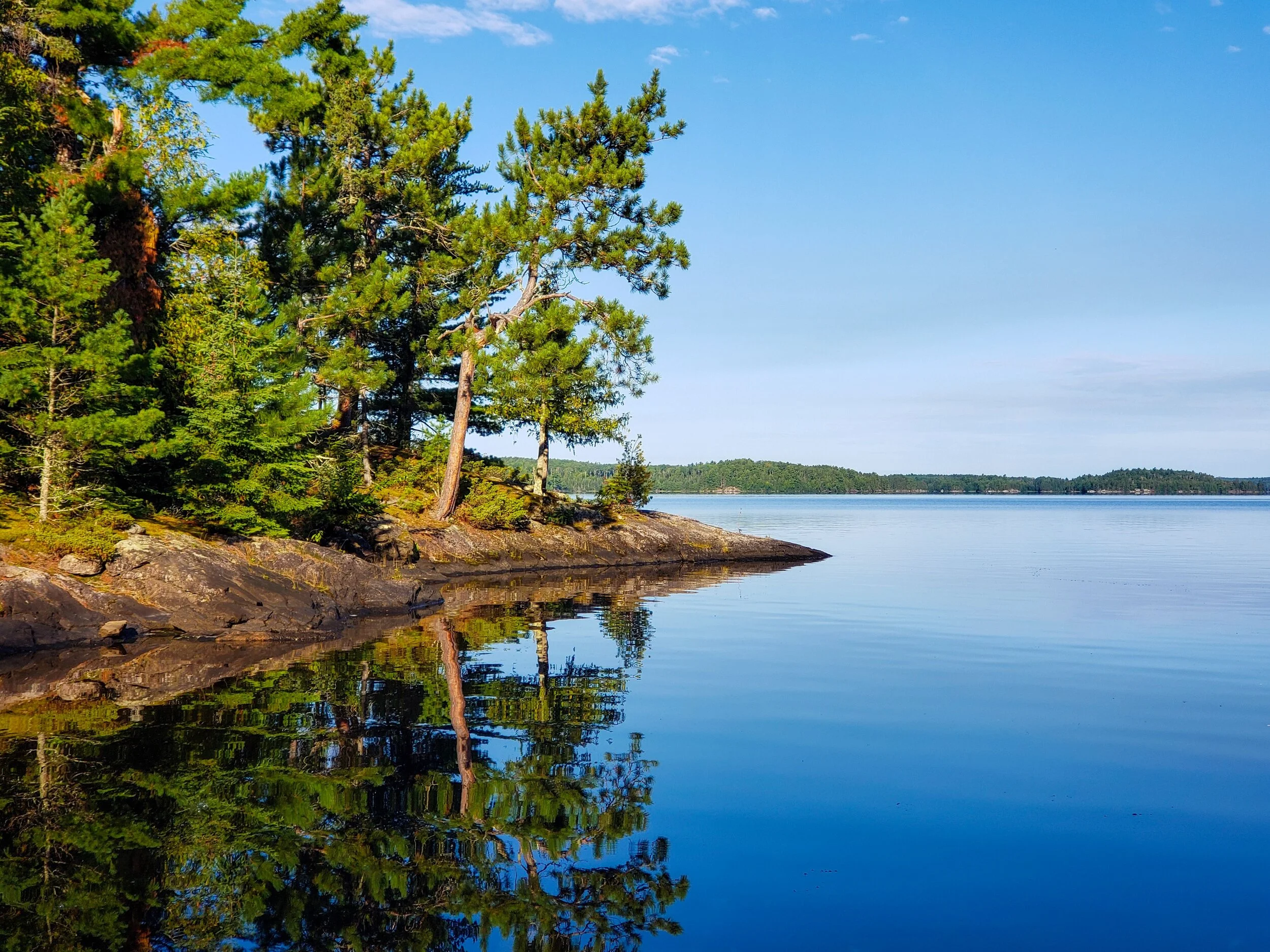
Ensuring the Protection of Aquatic, Boreal Forest, and Shoreline Habitats
The Land Protection Program helps add critical habitat and prevent development within Voyageurs National Park. The Conservancy works with willing landowners to develop mutually beneficial agreements to protect land and add it to the national park for all to enjoy.
What we’re doing now: The Voyageurs Conservancy has conserved over 73 acres of pristine wilderness. In 2019 we completed the transfer of a 6-acre parcel. In 2020, the Conservancy will help the NPS purchase 9 acres and complete appraisal work on two parcels totaling 27 acres.
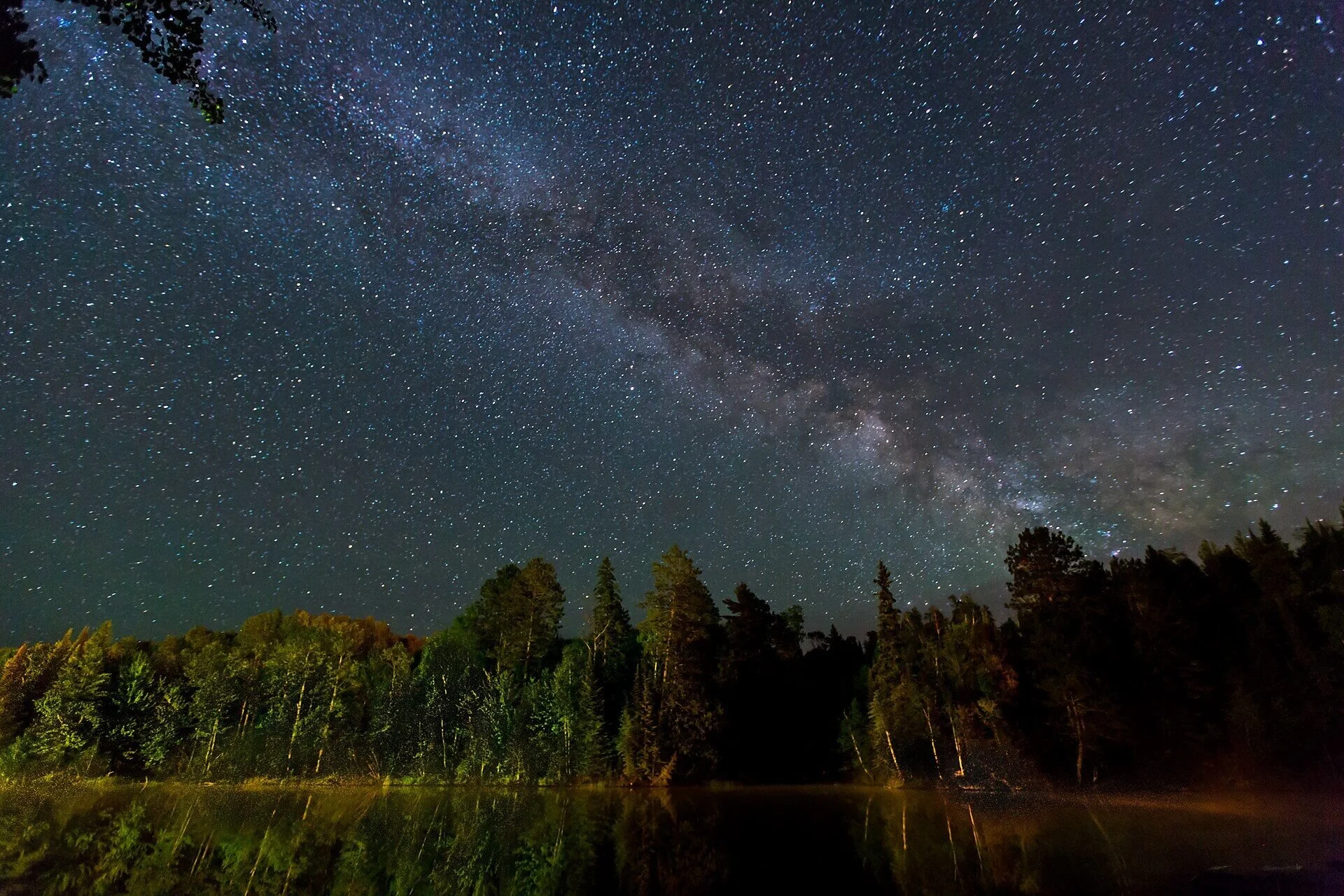
Dark Sky Preservation
Preserving Voyageurs National Park’s Starry Skies
Voyageurs National Park presents some of the most striking night skies in the nation. Dark skies are not only a scenic wonder, but necessary for our ecosystems, human health, and preservation of cultural heritage. However, dark skies are becoming scarce as technological advances have engulfed our skies with artificial light.
To ensure that our area’s amazing night skies are preserved unimpaired for generations to come, Voyageurs National Park is applying for Dark Sky Park certification from the International Dark-Sky Association. This certification affirms the park commitment to using sustainable lighting and to public education to reduce light pollution and protect the night sky.
What we’re doing now: In 2020, the Voyageurs Conservancy and the NPS launched our joint Dark-Sky Initiative. Through this initiative, we will secure Dark Sky Park certification by the end of 2020 and expand Night Sky community education programs. During 2020-2021, we will partner with local property owners and businesses to reduce light pollution, help the Park Service make lighting fixture changes on its facilities and parking lots, and develop public education programs that allow visitors to further experience the night skies.

Advocacy Work
Raising our Voices for Minnesota’s Natural Resources
We all have a responsibility to defend and protect our public lands. The Voyageurs Conservancy accomplishes this through a comprehensive approach to advocacy work. Staff regularly meet with elected officials in Washington D.C. to secure sustainable funding for Voyageurs National Park, the Land and Water Conservation Fund, and public lands as a whole. The Conservancy partners closely national and local organizations such as the National Park Foundation and the Campaign to Save the Boundary Waters to bolster our commitment to conservation.
What we’re doing now: Perhaps the greatest threat to Minnesota’s natural resources is sulfide-ore copper mining and its disastrous consequences on water quality and wildlife habitat. The Twin Metals LLC mining plan threatens a vital portion of the Rainy River Watershed, which flows into the BWCA and Voyageurs National Park. The Voyageurs Conservancy is actively working to educate our elected officials, federal agencies, and the public about this issue. In addition, the Conservancy supports legislation that protects our wilderness from the harmful effects of mining such as Rep. Betty McCollum’s H.R. 5598 bipartisan legislation.
Invasive Cattail Removal
Restoring Biodiversity in our Wetlands
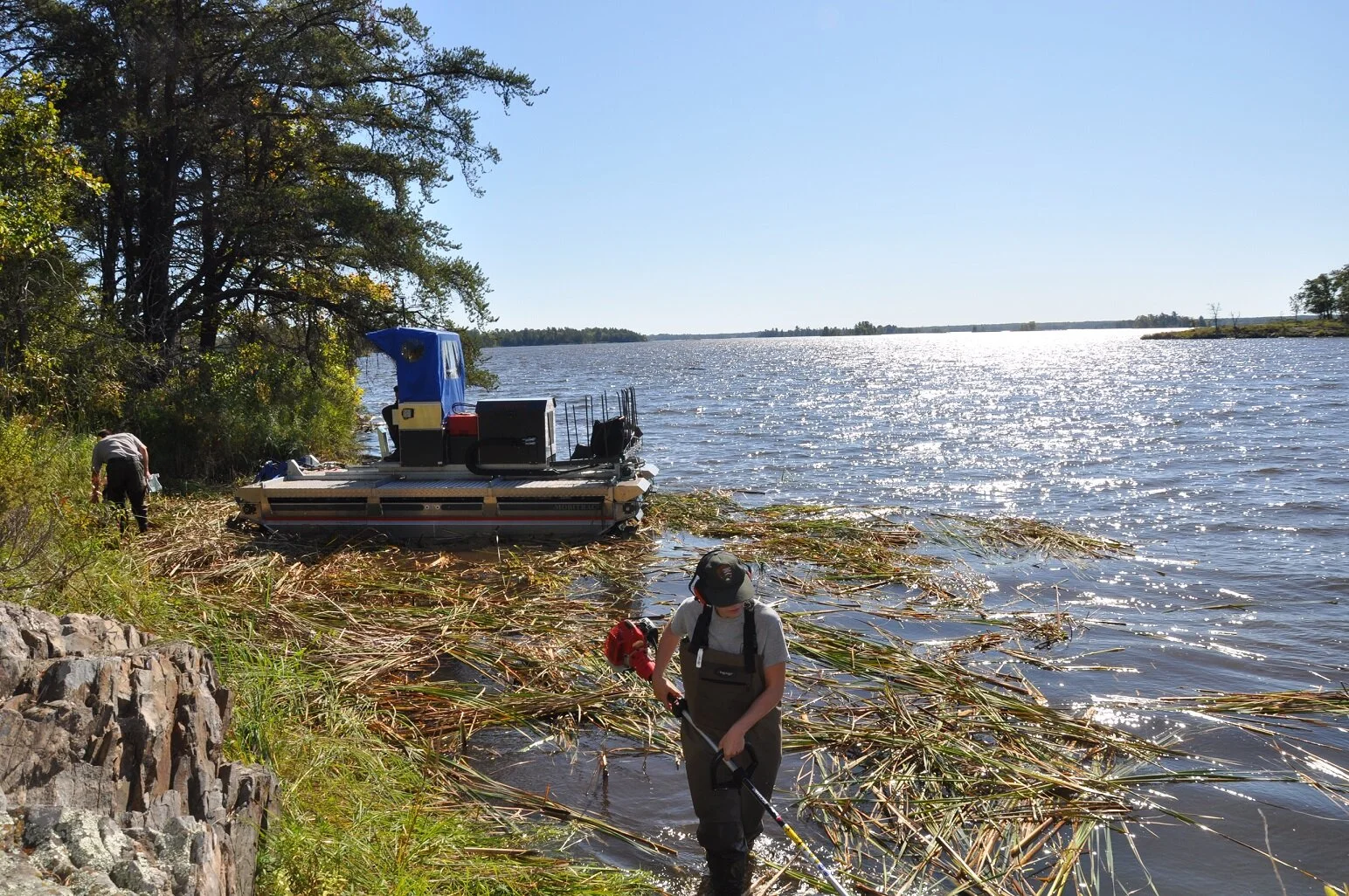
There is an estimated 500 acres of invasive hybrid cattail in Voyageurs National Park. This hybrid species of cattail pushes out native plants, converting park wetlands to monotypic stands of cattail. This harms biodiversity in wetlands and creates a danger for visitors who may run into floating mats of cattail. The Conserancy, the park, and multiple partners have launched a multi-year wetland restoration to restore vital biodiversity.
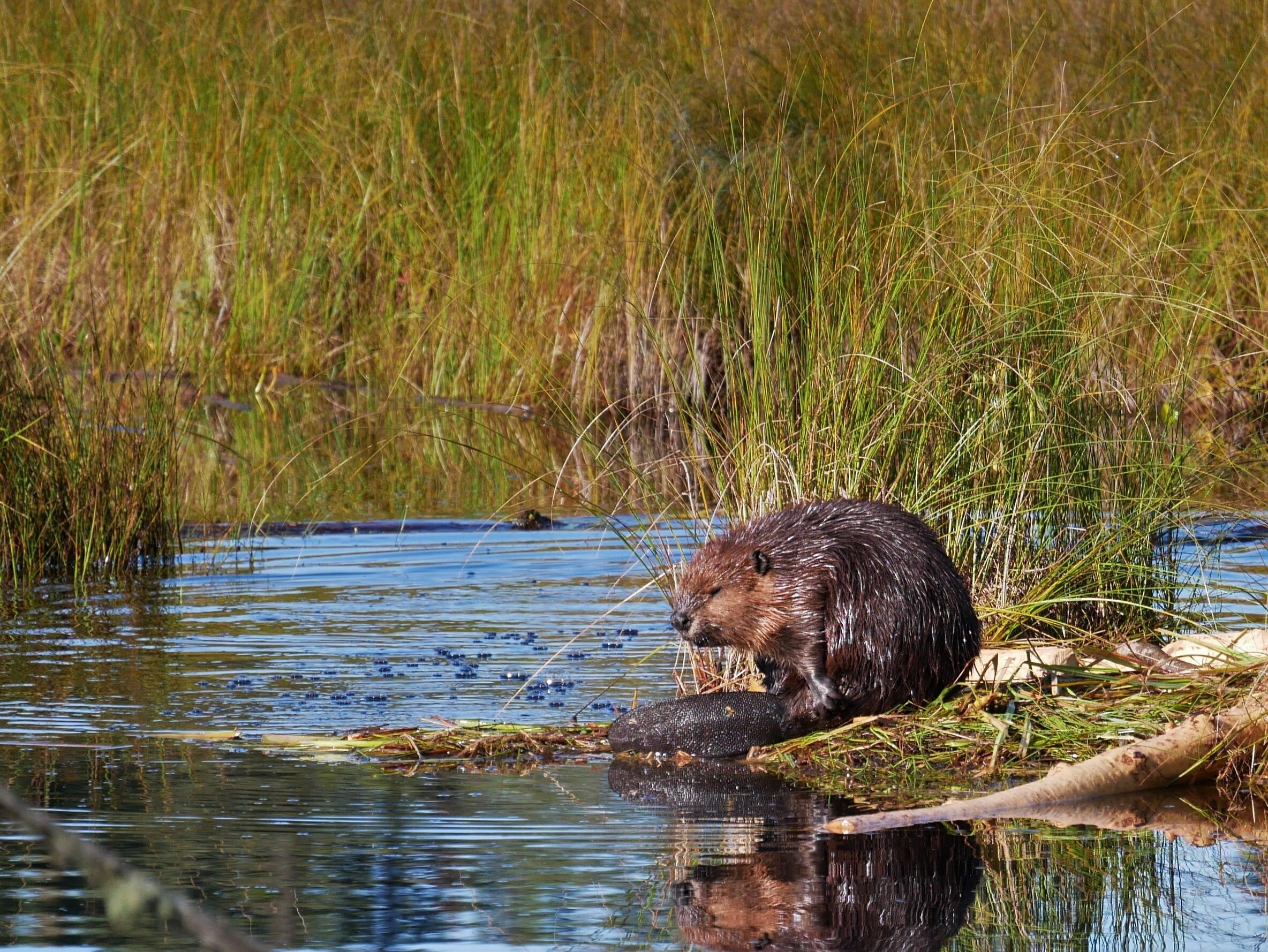
What we’re doing now: The Voyageurs Conservancy donated funds to ensure the responsible removal of cattails in the park. In 2019, the park’s team mechanically removed hybrid cattails in 17.3 acres of wetland near the Rainy Lake Visitor Center. Post-treatment surveys were conducted and over 19 acres of wetlands were seeded with a lakeshore mix, softstem bulrush, and wild rice. Muskrat populations were introduced as a natural biocontrol. Post-treatment surveys will continue through 2020 to measure the success of native seeding, muskrat foraging preferences, and efficient wetland treatments.
Aquatic Invasive Species
Protecting Voyageurs’ Outstanding Waters
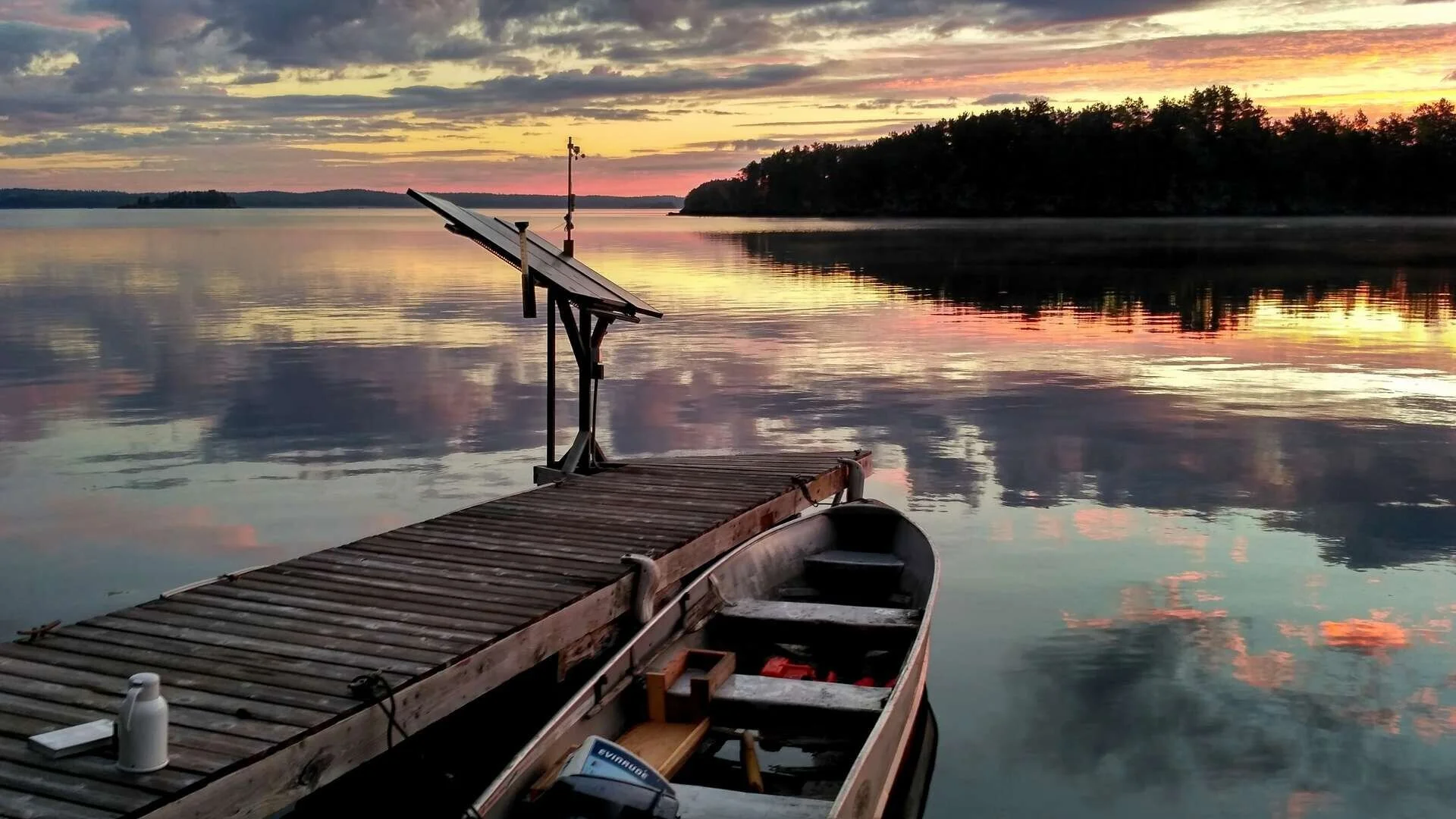
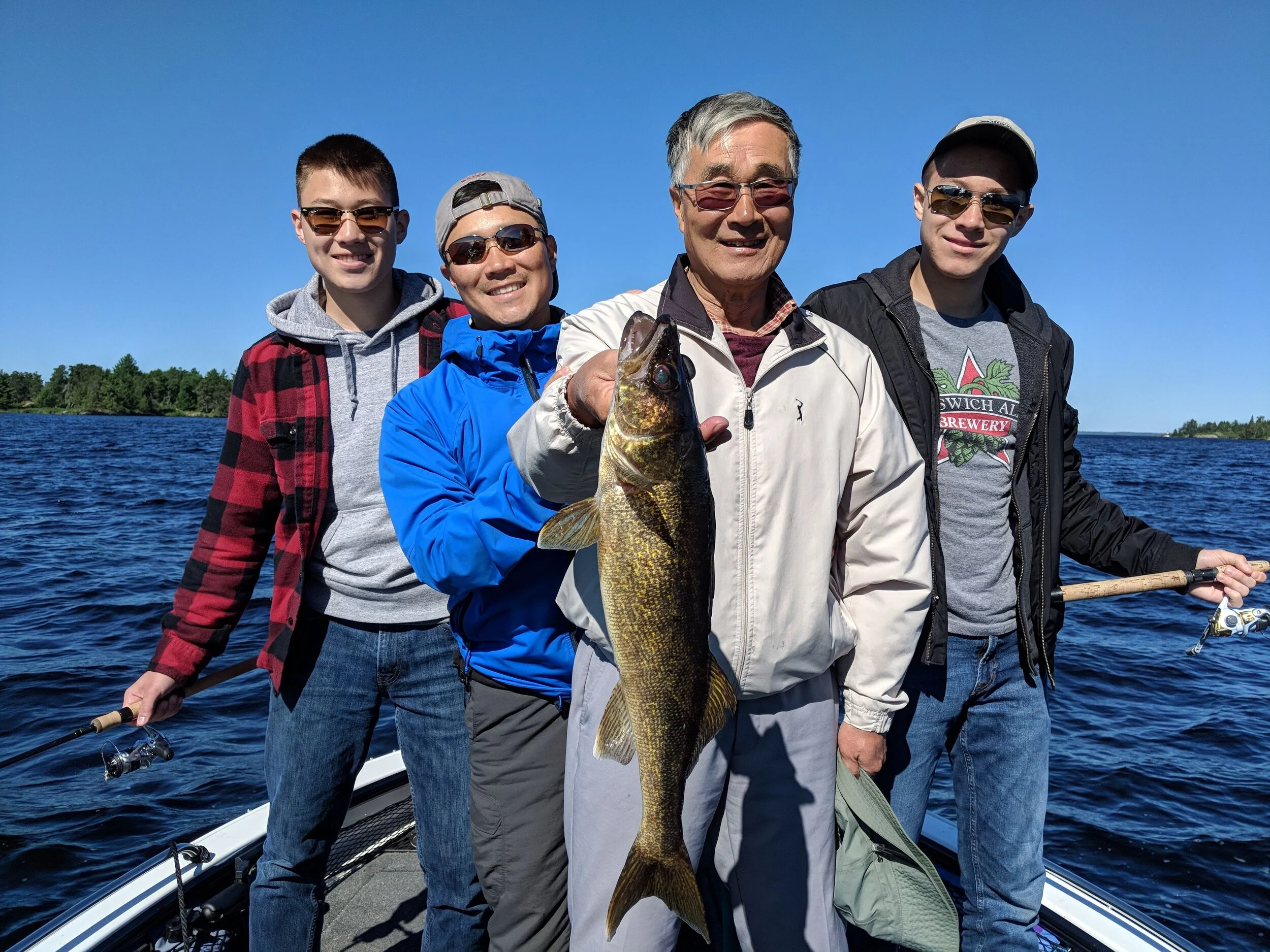
Voyageurs National Park is a state-designated Outstanding Resource Water. VNPA is committed to maintaining the pristine quality of our waters by preventing the threat of aquatic invasive species such as zebra mussels and spiny water flea. These invasive species cause a decline in walleye growth and present countless threats to native fish populations and other aquatic life.
What we’re doing now: The Voyageurs Conservancy is supporting the watershed-wide invasive species prevention strategy to protect the region’s waters. During 2019-21, the Conservancywill work with the NPS to engage St. Louis and Koochiching Counties to bring in additional decontamination stations near boat launches, coordinate a resort owner and volunteer early detection program, and help secure funds for a comprehensive AIS risk assessment for the entire watershed. Launched last year, the Conservancy’s 'Love Your Park' mobile station for boat launches will continue to provide visitor education on AIS prevention and 'Leave No Trace' practices.
Learn More About AIS Prevention Efforts Here