

Voyageurs Dark Sky Classroom
Bring the wonders of Voyageurs National Park's night skies into your classroom through free, interactive astronomy lessons and live virtual experiences with a dark sky educator.
Explore the Night Sky from Your Classroom
Discover the science and wonder of the night sky with Voyageurs Conservancy's Virtual Dark Sky Classroom! Through engaging activities and a live virtual visit with a Conservancy dark sky educator, students explore astronomy, light pollution, and the importance of protecting our night skies.
Designed primarily for upper elementary students, our lessons support state and national educational standards, including the Next Generation Science Standards (NGSS). Each program includes pre- and post-visit activities to help students investigate scientific concepts and apply what they've learned.
Thanks to generous support from our funding partners, all Virtual Dark Sky Classroom programs are FREE and available to classrooms nationwide.
How It Works
Each Virtual Dark Sky Classroom program includes three connected learning experiences designed to support student exploration and discovery.
1. Pre-Visit Activity | 45–60 minutes
Introduce key concepts and prepare students for their virtual classroom experience through hands-on activities.
2. Live Virtual Classroom Visit | 45 minutes
Connect with a Voyageurs Conservancy dark sky educator for an interactive lesson exploring the science of the night sky.
3. Post-Visit Activity | 60–90 minutes
Reinforce learning through follow-up activities that encourage students to apply their knowledge and make connections to the natural world.
Lessons incorporate the 5E Model of Instruction and are designed to be completed over three separate days.
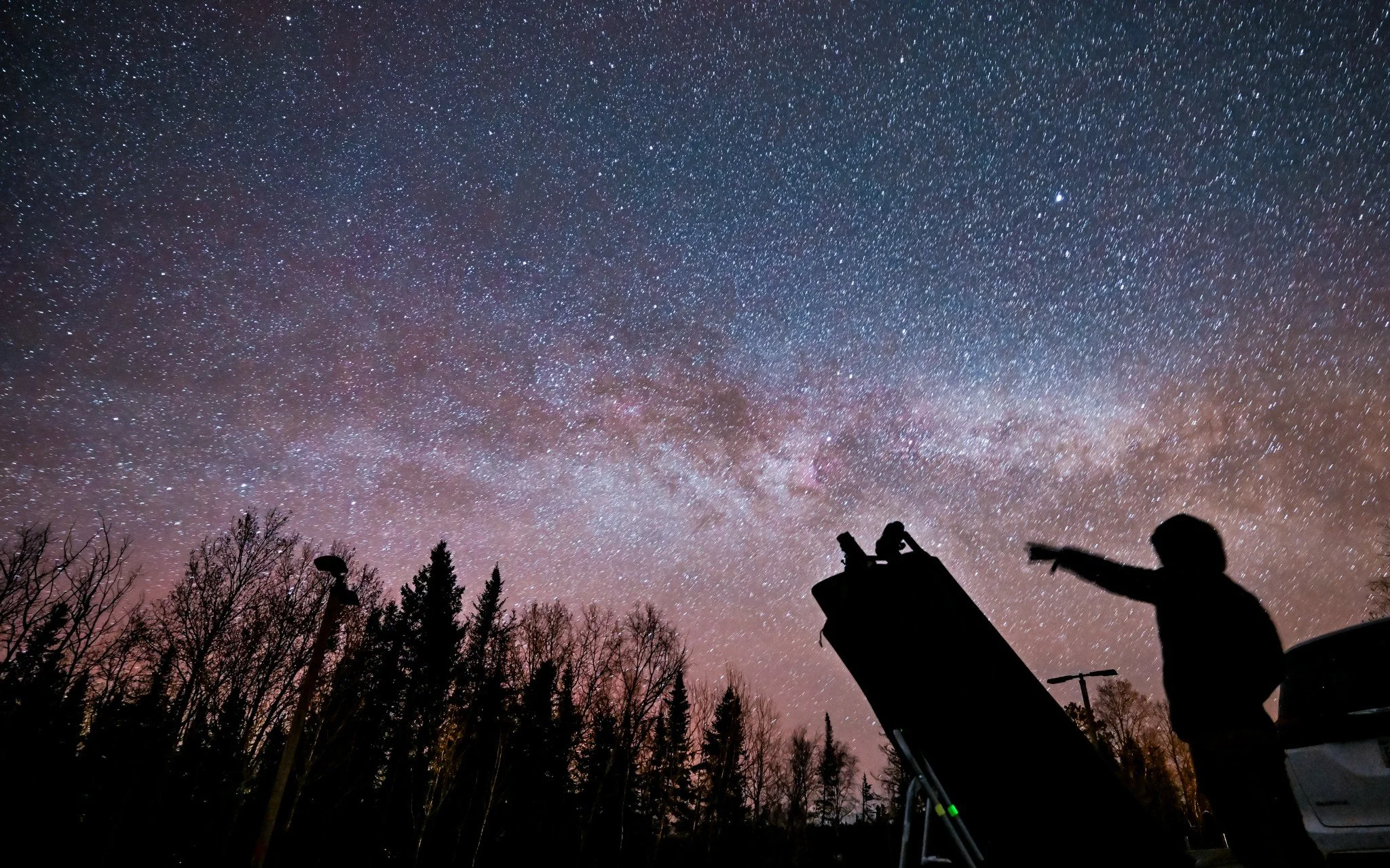
Dark Sky Lessons
Moon Phases
Grade Level: 4th Grade | Subject: Earth & Space Science
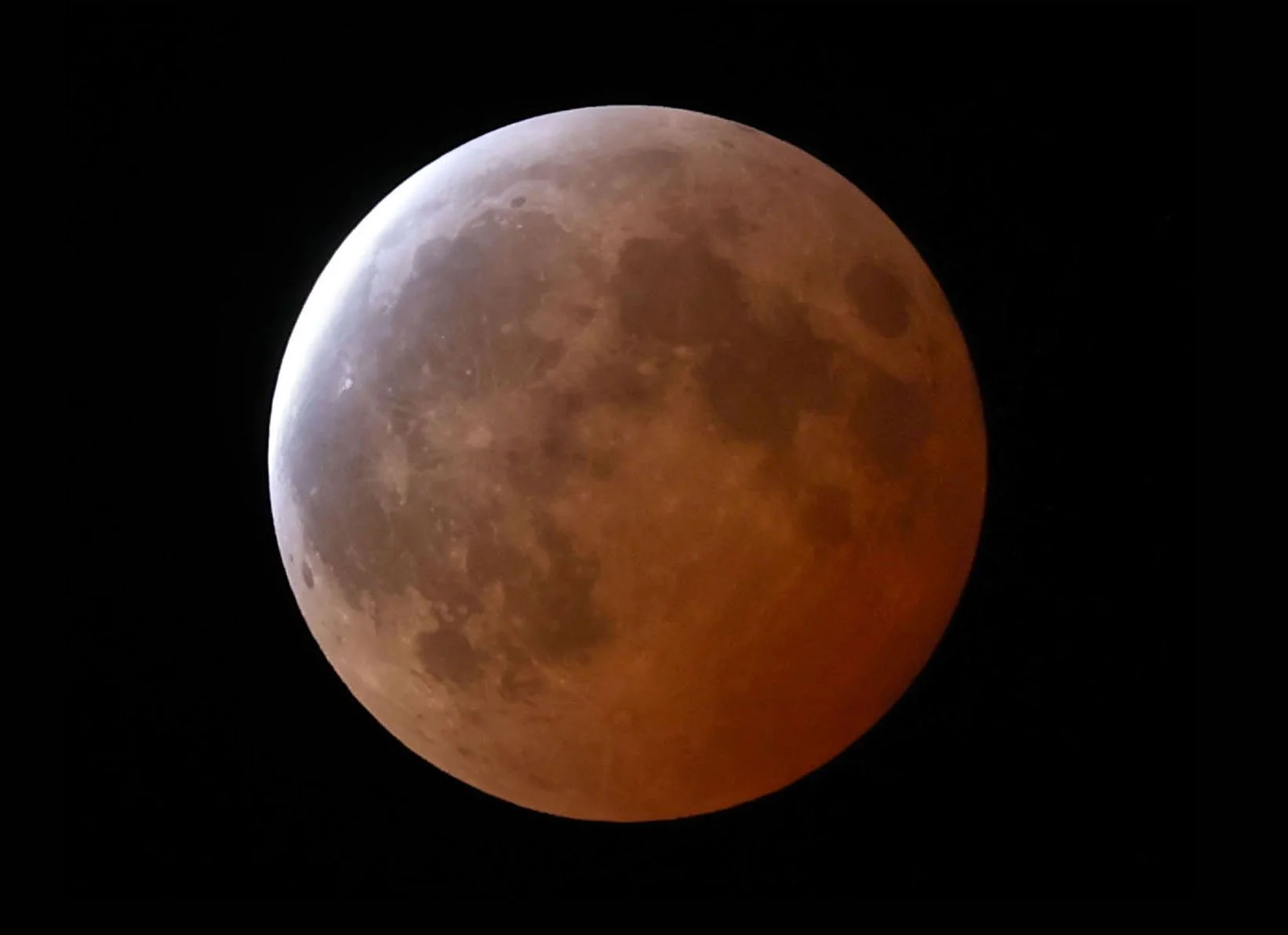
Why does the Moon appear to change shape throughout the month? Students investigate the relationships between the Sun, Earth, and Moon to understand lunar phases. The lesson also introduces an Indigenous Ojibwe lunar calendar, exploring how observations of the Moon connect to seasonal knowledge and daily life.

Northern Lights
Grade Level: 4th Grade | Subject: Earth & Space Science / Geography
What causes the spectacular colors of the Northern Lights? Students explore the science behind the aurora borealis, investigate the conditions that make these displays possible, and discover how and where they can observe this remarkable natural phenomenon.

Light Pollution
Grade Level: 4th Grade | Subject: Earth & Space Science
How does artificial light affect our night skies? Students investigate the causes and impacts of light pollution, explore the importance of preserving naturally dark environments, and discover practical ways to reduce light pollution in their communities.
-
Our lessons incorporate the 5E Model of Instruction (Engage, Explore, Explain, Elaborate, Evaluate) and support Next Generation Science Standards (NGSS) and Minnesota academic standards.
Moon Phases
NGSS: 1-ESS1-1, 3-PS2-2, MS-ESS1-1
MN: 1.1.3.2.1Northern Lights
MN Geography: 4.3.1.2.1, 4.3.13.3 (2021)Light Pollution
NGSS: 3-5-ETS1-2, ESS3.C, MS-ESS3
Discover Voyageurs' Dark Skies
Voyageurs National Park is home to some of the darkest night skies in the region, offering remarkable opportunities to experience the stars, planets, and Northern Lights.
Learn more about the park's night skies from Voyageurs Conservancy dark sky educator Jesse Gates in Minnesota's Massive Dark Sky Sanctuary: Minnesota Explained.
Get your Classroom Involved
Join our educator community and discover new ways to bring Voyageurs National Park into your classroom! Sign up for our free education newsletter to receive classroom resources, virtual learning opportunities, upcoming student programs, professional development workshops, and more.
Already curious? Explore our past education newsletters to discover previous programs, teaching resources, and opportunities for educators.
Funding for this project was provided in part by the Minnesota Environment and Natural Resources Trust Fund as recommended by the Legislative-Citizen Commission on Minnesota Resources (LCCMR).
The Trust Fund is a permanent fund constitutionally established by the citizens of Minnesota to assist in the protection, conservation, preservation, and enhancement of the state’s air, water, land, fish, wildlife, and other natural resources.
This program was also made possible in part by a grant from the National Park Foundation.

