
50 Legacies: Chief Nezhodain
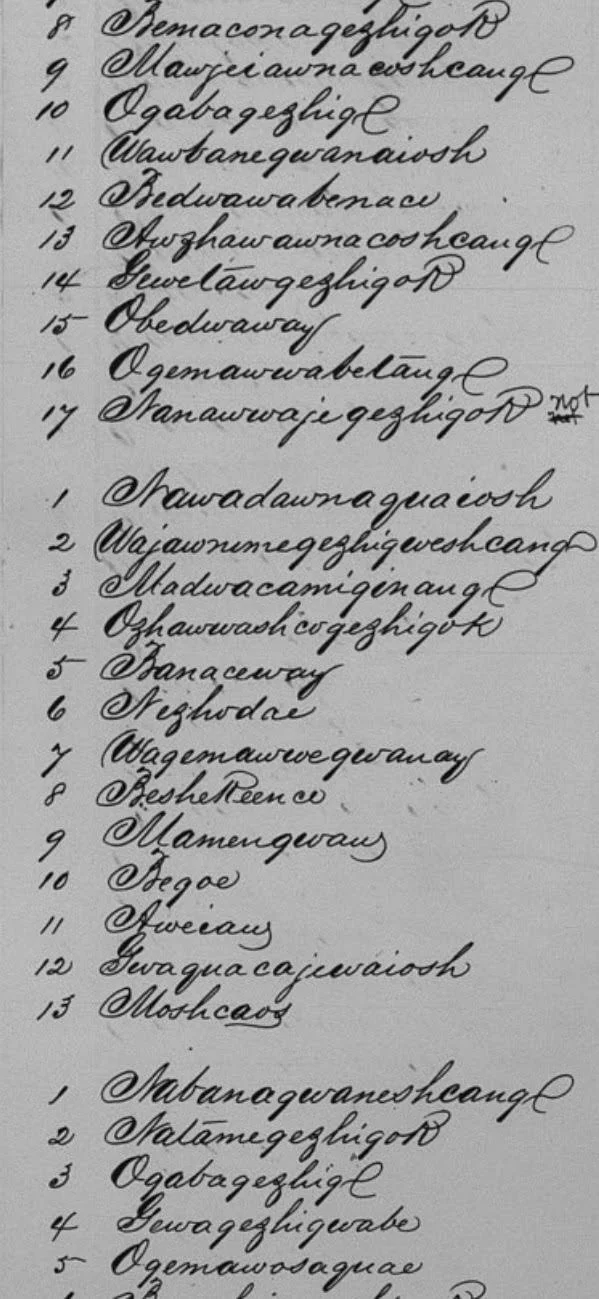
Nezhodain’s name on the 1870 Bois Forte Treaty Payment Roll resulting from the 1866 treaty. His name is number 6 under the Chief of his band at the time.
Indigenous people have lived within and outside the bounds of Voyageurs National Park for thousands of years. The Ojibwe were the most recent group of stewards of the lands of Voyageurs National Park; prior to this the Cree, Dakota, and Assiniboine also historically stewarded the land.
Voyageurs National Park has operated a tourboat vessel, named the Ne-Zho-Dain after Chief Nezhodain, in Lake Kabetogama and Lake Namakan since 2022. Chief Nezhodain (meaning “Two Hearts” or “The Twin”) was one of 18 hereditary chiefs of the Bois Forte Band of Ojibwe. Hereditary chiefs were leaders of smaller, autonomous residential bands within the greater Bois Forte band. These chiefs led their bands by consensus rather than by individual rule. Bands were originally clan-based and patrilineal, though women’s original clans were still very important societally. Marriage between people of the same clan was strictly prohibited; men and women were required to marry outside of their clan. At the signing of the 1854 Treaty of LaPointe, there were 10 distinct bands, but this number increased to 18 as new ones branched from the originals by 1889.
Chief Nezhodain was a part of two to three different bands within the current boundaries of Voyageurs National Park and its surrounding areas. He left Kaw-wah-bish-ke-way’s band with several other families to join Nawadanaquaish in the creation of a new band in 1867. Chief Nezhodain was the 4th leader of this band, heading the group from 1889-1908.
Nezhodain’s family history is lost prior to 1881, where he was listed after Chief Madjiabandang and with his wife Neninganonebik and 2 of his children. Neninganonebik passed away in 1885, and he was shown to have remarried to Ogema Quaince, also known as “Mother Randolph” in the 1896 roll. He was also listed in this roll with Chief Madjiabandang’s son, who he may have adopted.
Nezhodain was also a 4th degree Mide of the Midewiwin, or Grand Medicine Lodge, a feat considering that most Midewewin members did not move beyond the first degree. This status within the Grand Medicine Lodge affirmed Nezhodain’s true depth of knowledge of Bois Forte traditions and medicines.
Chief Nezhodain died in 1908, leaving behind his wife Ogema Quaince and at least 2 children. He was the last survivor of the Battle with the Cut Foot Sioux. Today, one of the National Park Service’s tour boats is named in his honor and memory.
The Bois Forte Ojibwe still retain a strong connection to their traditional lands within the park. If you would like to learn more about the Bois Forte Band of Chippewa today, please visit their official website or the Bois Forte Heritage Center & Cultural Museum, located approximately one hour southeast of Voyageurs National Park.
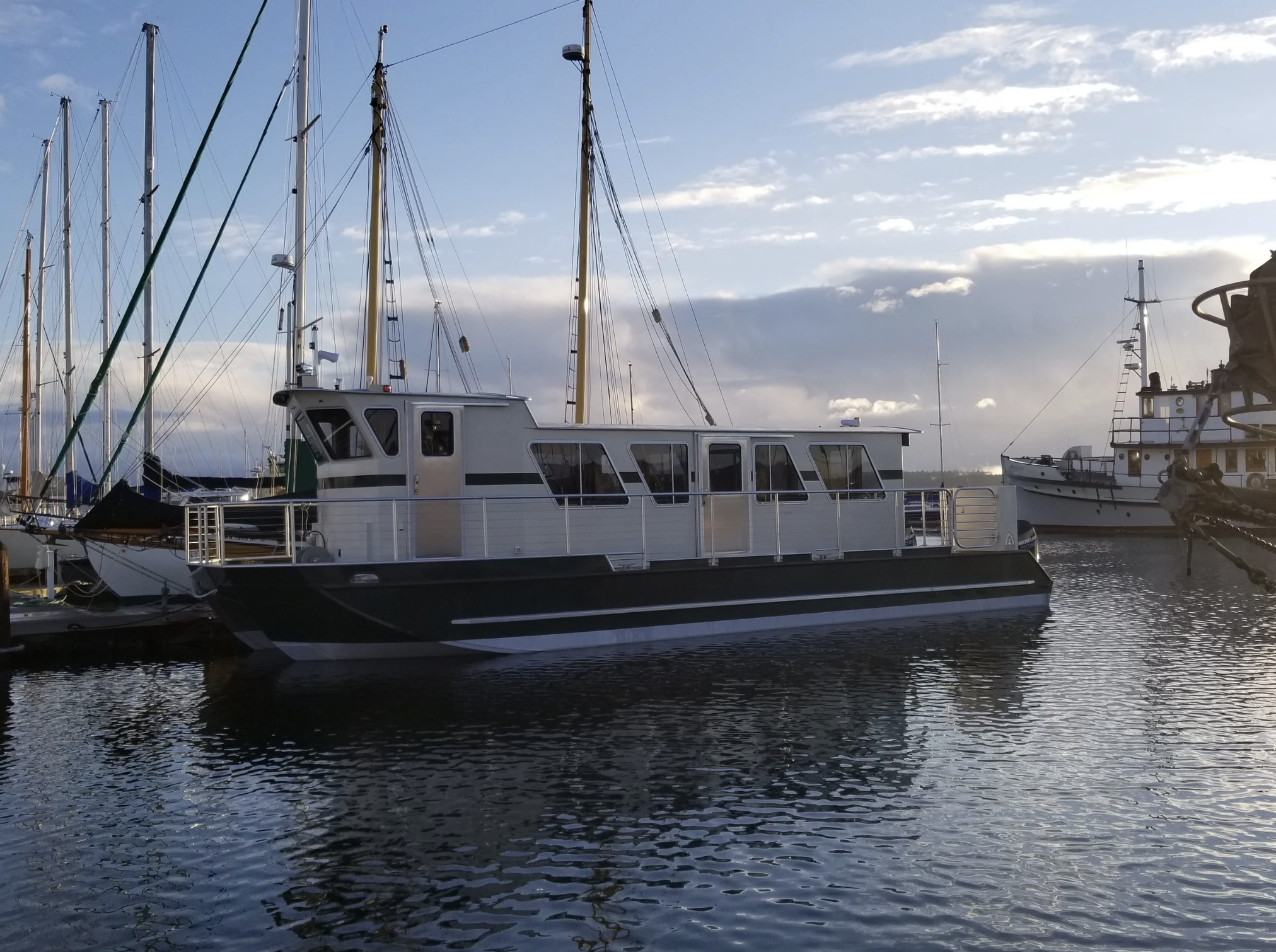
“The Nezhodain” Tour Boat
Check out the full list of our 50 legacies!
This year, we’re celebrating 50 years of Voyageurs National Park by sharing 50 inspiring stories of the people who shaped its legacy. Years, 50 Legacies is a yearlong storytelling series highlighting individuals whose lives are woven into the fabric of the park – whether through conservation work, cultural traditions, recreation, research, or personal connection.
Raise a canteen and celebrate this historic milestone with us at our 50th anniversary website. Don't forget to subscribe to our newsletter for more inspiring stories and updates!
