
Boreal Stargazing Week Lights Up Minnesota’s Winter Night Skies for the Fourth Year
February 9-15, 2026 marked the fourth annual, and largest ever, unforgettable celebration of the night sky during Boreal Stargazing Week, a statewide week of virtual education and community events that brought science, art, and conservation together under the stars. Led by Voyageurs Conservancy and partners across Minnesota, the week reached audiences in two distinct and powerful ways: through in-person community events and through nationwide K–12 livestream programs.
Across Minnesota, nearly 700 community members attended in-person events stretching from the Twin Cities to Voyageurs National Park and the Boundary Waters Canoe Area Wilderness. This year’s theme, The Art of the Night Sky, invited learners of all ages to explore how creativity and curiosity connect us to the cosmos. Families, outdoor enthusiasts, artists, and night-sky advocates gathered for hands-on programs, star parties, presentations, and candlelit winter experiences that celebrated Minnesota’s extraordinary dark skies.
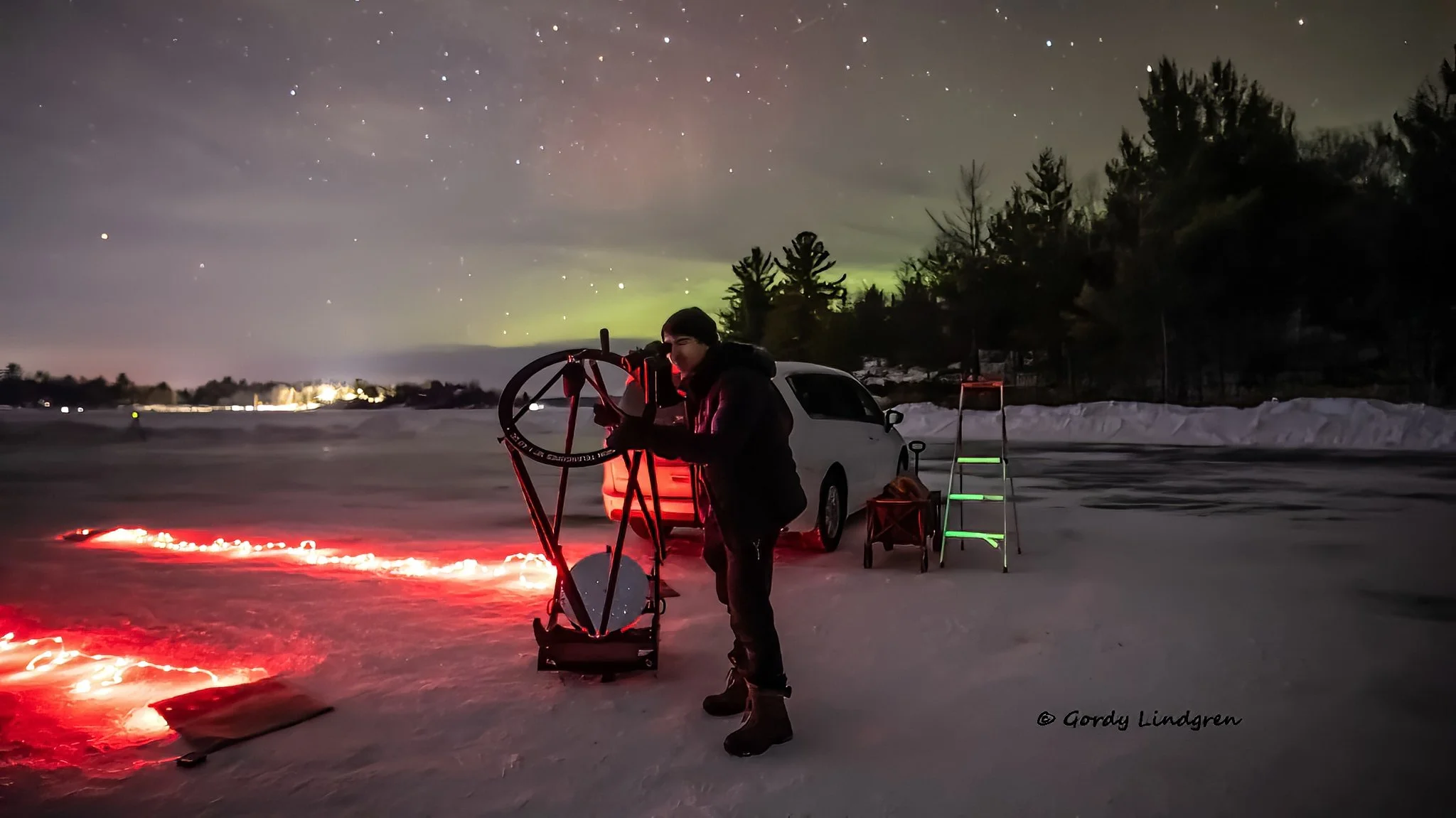
Setting up for “Love Stories from the Stars” at Black Bay.
Photo by Gordy Lindgren
At the same time, our virtual classroom programming reached an entirely different audience at a vastly different scale. Livestreamed K-12 programs connected more than 60,000 students from classrooms across the United States to Minnesota’s night skies. In a special highlight, one program was broadcast live from the Voyageurs ice road, bringing students all across the country directly onto a frozen lake to experience winter in Voyageurs straight from their classroom.
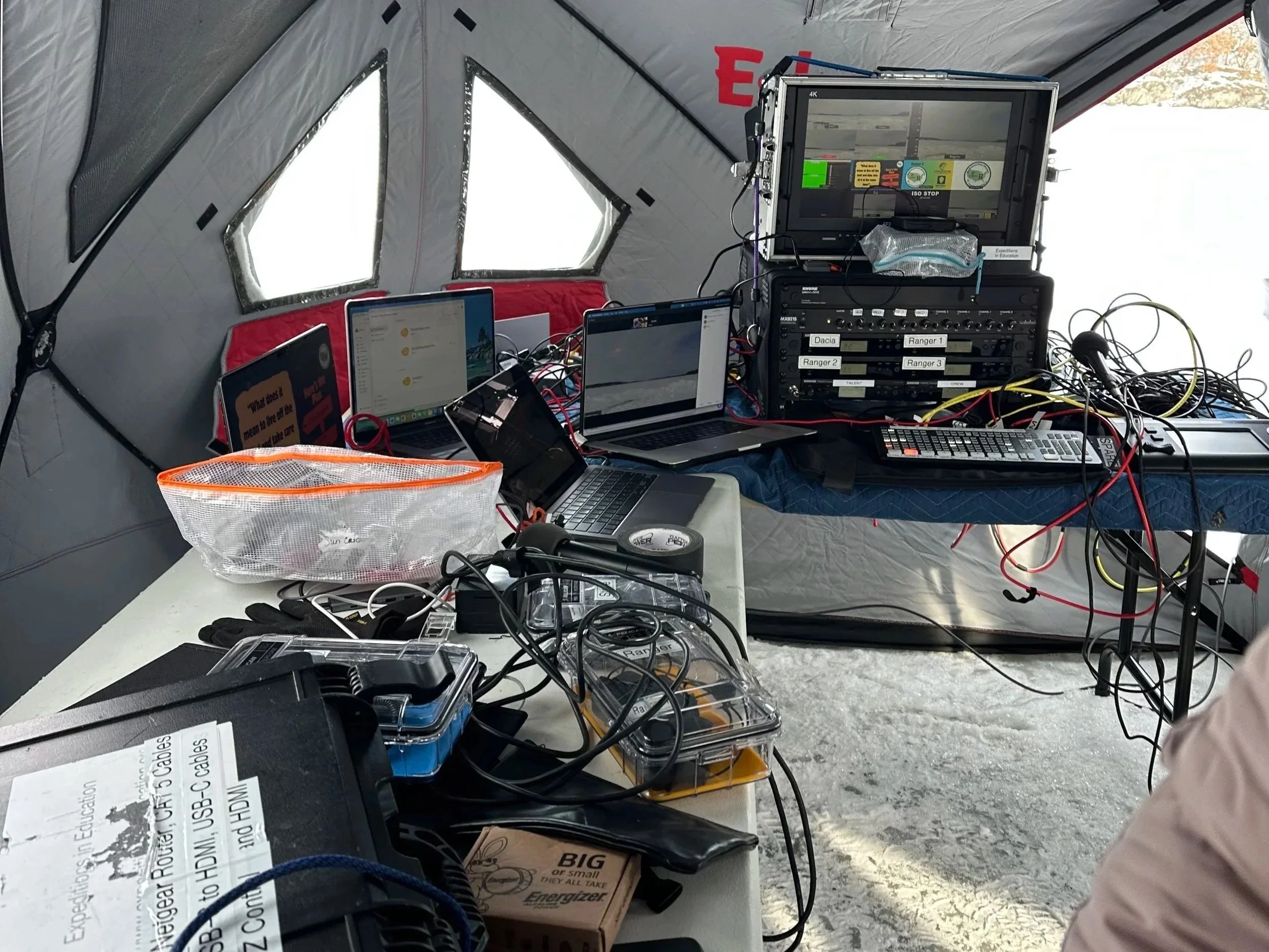
Behind-the-scenes of the K-12 livestream from the ice roads of Voyageurs.
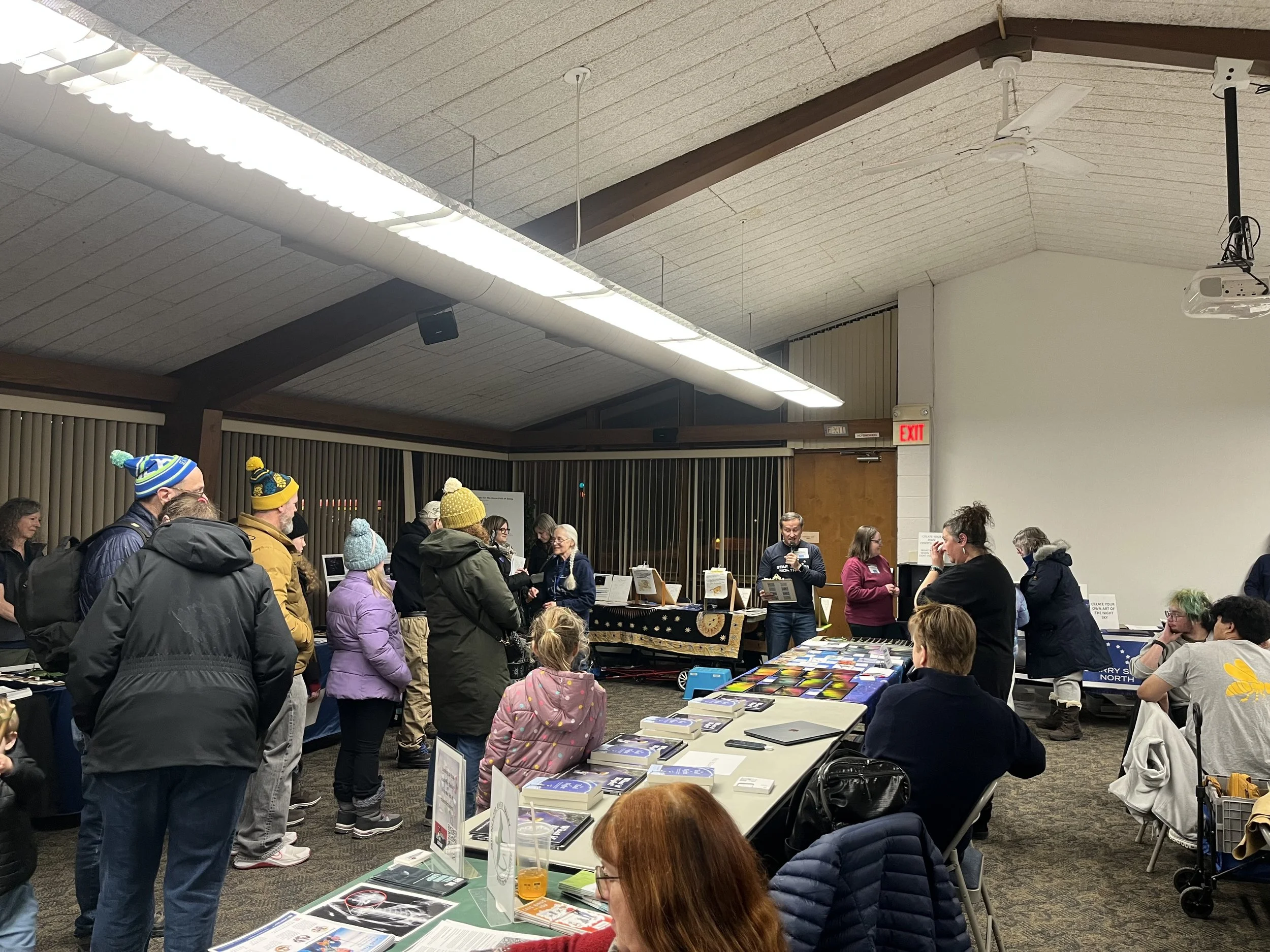
Kickoff Event at Richfield Nature Center
K-12 classrooms also tuned in for free live programs exploring winter constellations, Indigenous night sky connections, the importance of protected dark skies, and how light pollution impacts wildlife and human health. Educators also received access to recordings and classroom resources, extending the impact far beyond a single week and ensuring conversations about the night sky continue year-round.
Here in Minnesota, we’re fortunate to have more acreage of pristine dark sky than the rest of the Eastern United States combined. Voyageurs National Park, the Boundary Waters Canoe Area Wilderness, and Quetico Provincial Park together form one of the largest dark sky regions in the world, offering an extraordinary opportunity to connect with the wonders above.
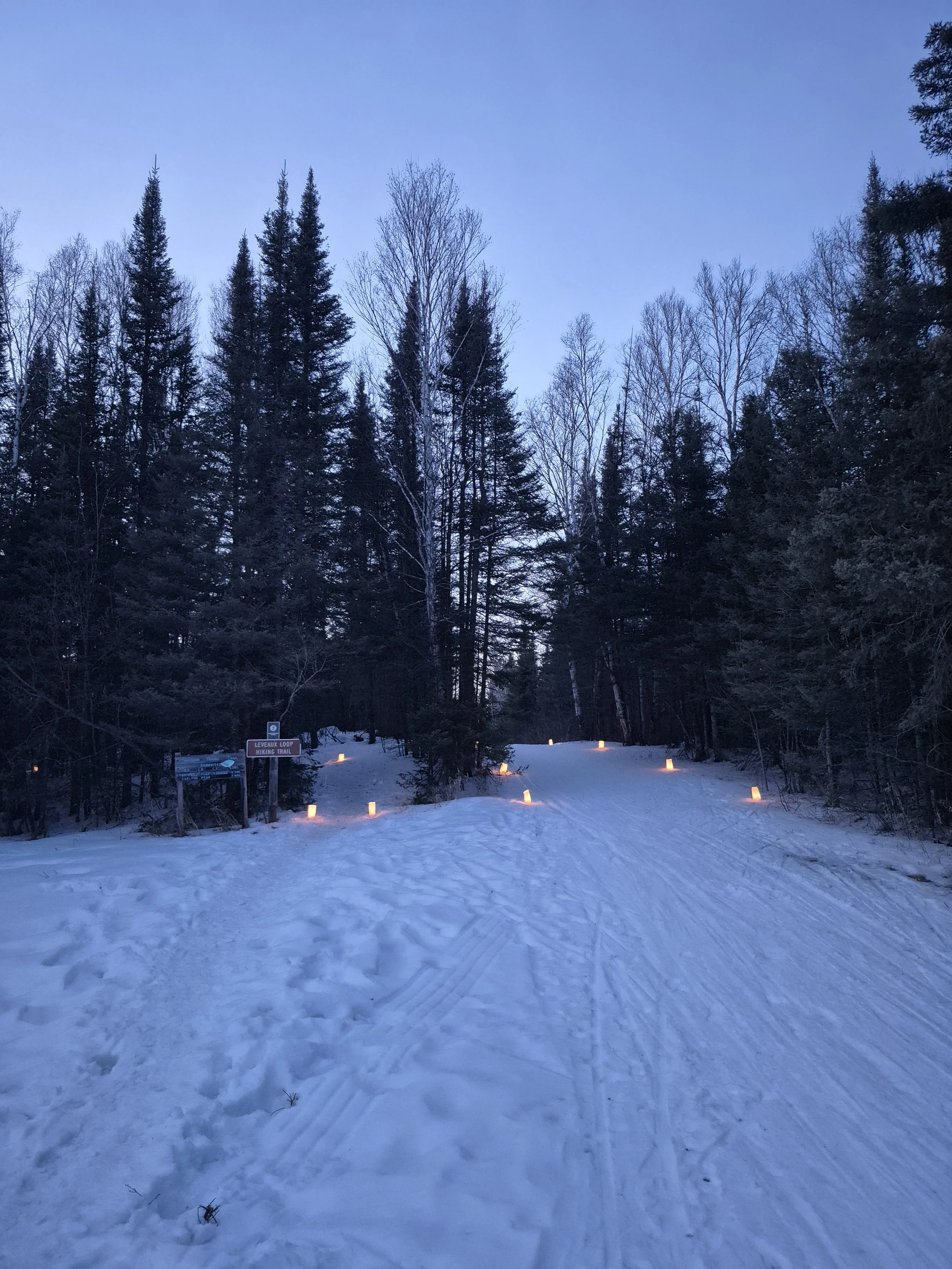
Candlelight snowshoe hike at Oberg Mountain
Although Boreal Stargazing Week is rooted in Minnesota, our telescope program on Voyageurs’ ice roads welcomed visitors from Virginia, North Carolina, California, Texas, North Dakota, New York, Montana, and beyond, a testament to the growing national interest in dark sky conservation.
Community Event Highlights included:
Twin Cities: A kickoff event at Richfield Community Center, a Star Party at Minnesota Valley National Wildlife Refuge, and connections with statewide dark sky organizations at SpaceFest hosted by the Bell Museum.
Duluth & the North Shore: A presentation by Travis Novitsky, member of the Grand Portage Anishinaabe Nation and renowned night-sky photographer; a partnership with the University of Minnesota Duluth Planetarium; and a candlelit snowshoe hike on Oberg Mountain in Lutsen.
Voyageurs National Park: A Valentine’s Day program sharing love stories written in the constellations (including an engagement under the northern lights) a daytime ski and snowshoe with the Polar Polers Ski Club, and an indoor-outdoor presentation about Jupiter with Bob King.
Boundary Waters Canoe Area: Visitors gathered at Fall Lake Campground to paint, draw, and write about the dark sky, all by candlelight!
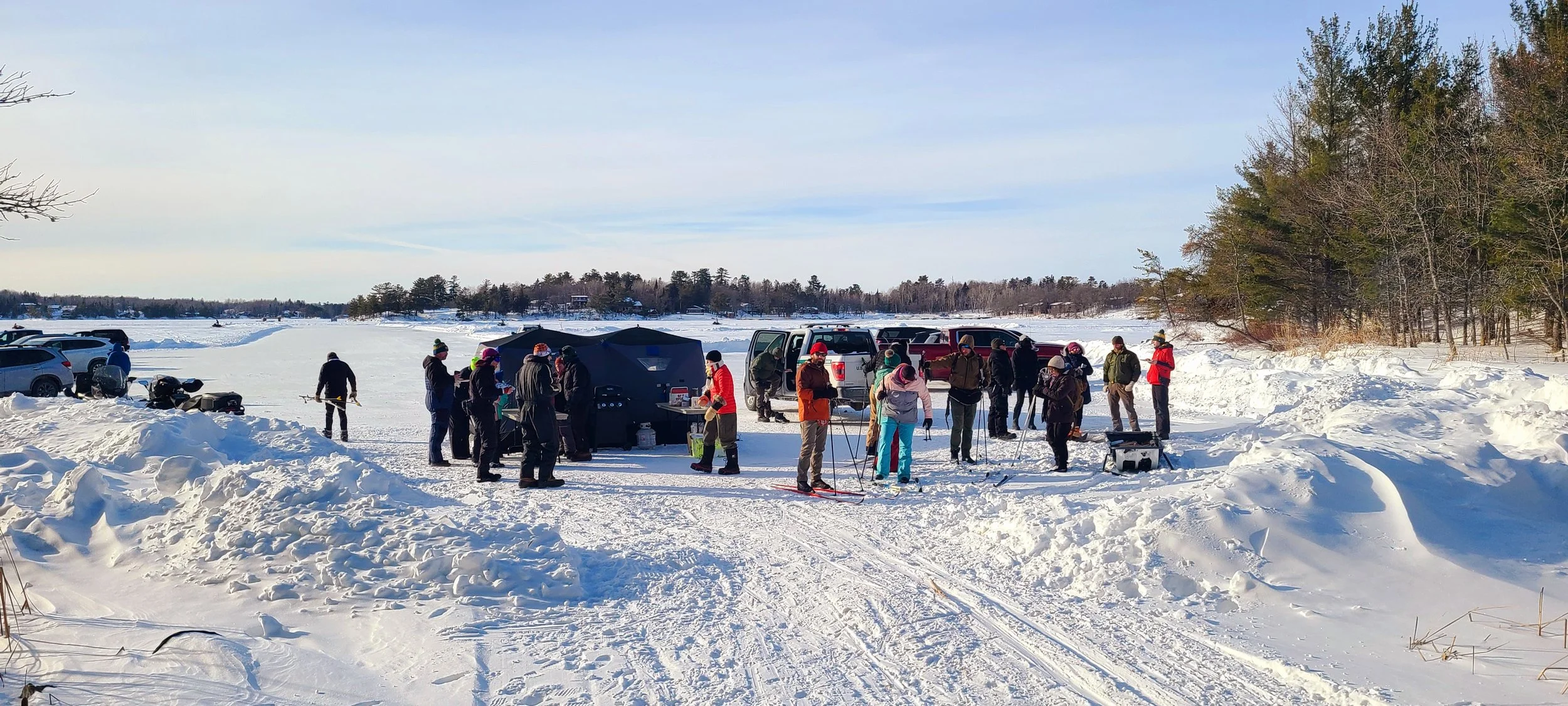
Valentine’s Day Ski and Snowshoe in Voyageurs National Park, followed by a dark sky program on the ice road!
Each event offered a different way to engage with the stars through science, storytelling, art, movement, and shared community. In a world that grows brighter each year, preserving natural darkness supports wildlife, honors cultural traditions, and allows future generations to experience the same sense of wonder that has inspired humans for millennia.
To the nearly 700 community participants who joined us in person and the more than 60,000 students who looked up with us from their classrooms, thank you.
We’re already looking forward to gathering again next winter under the night sky.
Boreal Stargazing programs were brought to you by Voyageurs Conservancy, Friends of the Boundary Waters, Starry Skies North, the National Park Service, Superior National Forest,Expeditions in Education, Polar Polers Ski Club, the Wood Lake Nature Center, Minnesota Valley National Wildlife Refuge, the UMD Marshall W. Alworth Planetarium and The Bell Museum.
Funding support for Boreal Stargazing Week was generously provided by theNational Park Foundation and theMinnesota Environment and Natural Resources Trust Fund as recommended by the Legislative-Citizen Commission on Minnesota Resources (LCCMR).
