

Voyageurs National Park Dark Sky Field Fellow
Seeking an enthusiastic student to join the Voyageurs Conservancy and the National Park Service team at Voyageurs National Park in northern Minnesota.
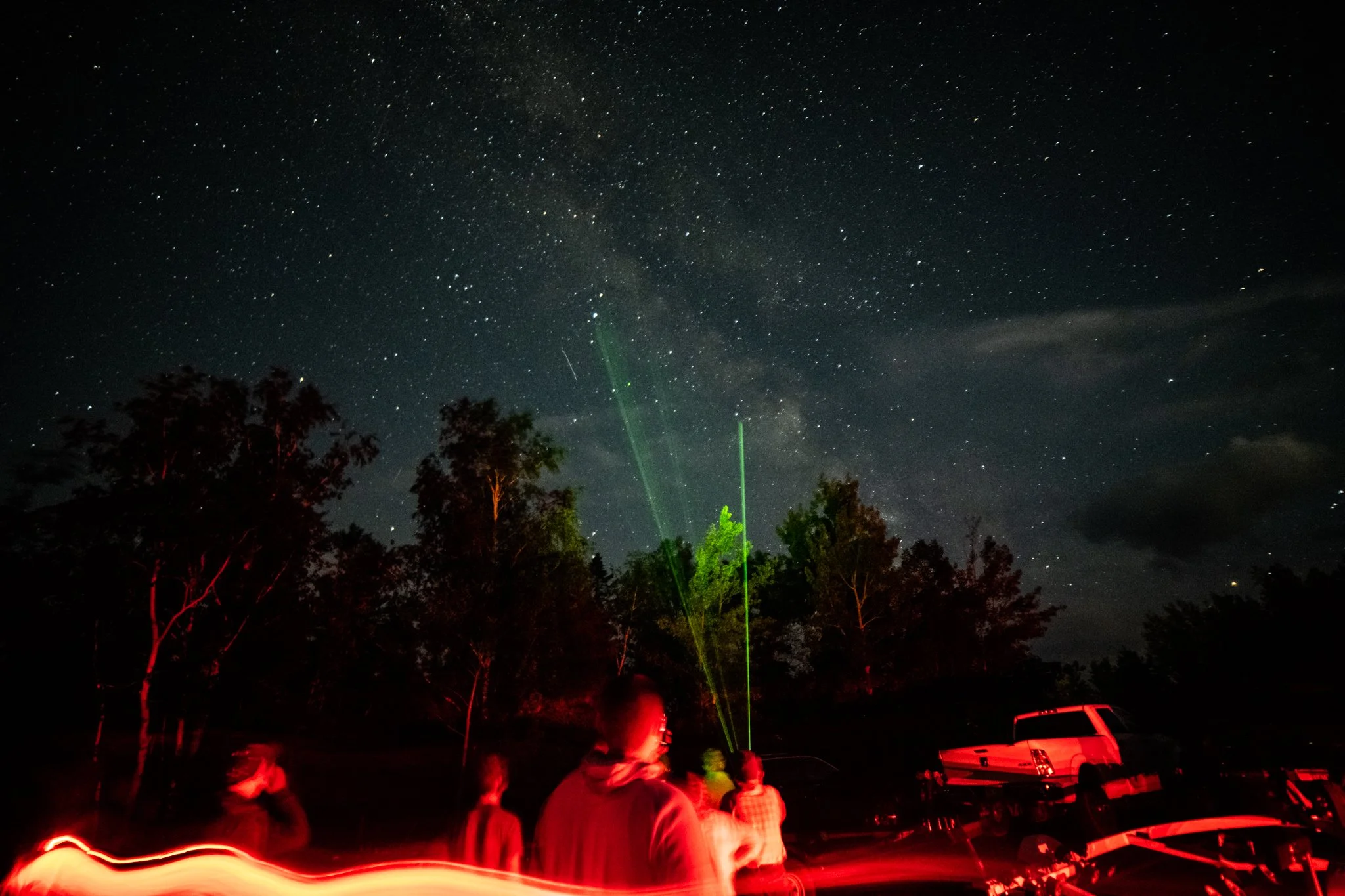
The Dark Sky Field Fellow will lead and support evening programs that introduce participants to constellations, sky navigation, and the use of telescopes or sky apps. They will help plan and deliver activities at the upcoming Star Party event (date TBD), engaging the community in celebrating the night sky. Fellows will communicate scientific concepts clearly, collaborate with local partners and Indigenous knowledge holders, and prepare outreach materials and reports. The role requires professionalism in public settings, adaptability to outdoor night conditions, and the ability to manage seasonal challenges such as insects during summer programs.
Voyageurs Conservancy recognizes the barriers and lack of representation that affects equal access to the outdoors. We believe our parks, and their partners, should strive to make a representative future of public land professionals.
Professional Development
The Fellow will regularly engage in relevant professional development opportunities, and will develop an end-of-term portfolio or communication project that could be shared with future employers.
Stipend and Reimbursement
Voyageurs Conservancy believes stipend reimbursement is necessary to create an accessible Fellowship experience. Stipends are determined by the weeks/hours served. Full-time summer Fellows should anticipate a $1,200/month stipend.
Housing (seasonal government housing) OR a housing stipend will be provided by Voyageurs National Park and Voyageurs Conservancy, and mileage for driving between seasonal government housing and Voyageurs National Park Headquarters during the internship will be reimbursed.
Qualifications
Required:
Education/Background
Current undergraduate or graduate student, or recent graduate in astronomy, environmental science, ecology, geography, or a related field. Equivalent experience in science outreach or environmental education will be considered.
Knowledge & Skills
Basic understanding of astronomy (constellations, night sky navigation) and/or environmental issues related to light pollution.
Strong communication skills – able to explain scientific concepts clearly to diverse audiences.
Comfort with public speaking, leading small groups, or facilitating educational activities.
Ability to work outdoors at night and adapt to field conditions.
Technical/Practical Abilities
Familiarity with observational tools (binoculars, telescopes, or sky apps) is helpful.
Basic computer skills for preparing reports, presentations, or outreach materials.
Personal Qualities
Reliability and professionalism in representing the program.
Enthusiasm for environmental stewardship and dark sky advocacy.
Willingness to collaborate with community partners and Indigenous or local knowledge holders.
Flexibility to travel or adjust to varying schedules (switching between morning, evening, and night programs).
Ability to remain adaptable and comfortable in outdoor night environments, including dealing with seasonal challenges such as insects during summer months.
You Will Gain:
Hands on Experience
Experience with telescopes or dark sky programming (public star parties, citizen science projects, observatory work).
Science Communication and Outreach
Prior involvement in science communication or outreach, such as leading astronomy nights, museum programs, or environmental education workshops.
Light Pollution Measurement
Knowledge of light pollution measurement techniques (e.g., using Sky Quality Meters, Globe at Night, or similar citizen science tools).
Community Collaboration
Experience collaborating with Indigenous communities or local knowledge holders, integrating cultural perspectives into astronomy or environmental education.
Environmental Advocacy
Background in environmental advocacy or policy engagement, particularly related to conservation, sustainability, or dark sky initiatives.
Digital Tools
Proficiency with digital tools for outreach, such as Stellarium, planetarium software or interactive sky apps.
Writing and Content Creation
Strong writing and content creation abilities for blogs, social media, or educational materials that promote dark sky awareness.
Leadership
Leadership in community-based projects, showing initiative in organizing events, coordinating volunteers, or building partnerships.
Dates
The Fellowship will last for up to 16 weeks (June - September); however, accommodations can be considered dependent on the Fellow’s class schedule. Fellows can expect to work 35-40 hours per week.
Contact Information and Deadline
This position is accepting applications from January 26 - February 20, 2026. To submit an application, please complete all sections of this form or click the button below. Please direct any questions to jgates@voyageurs.org – there is no need to email application materials.
You will need a Google account to fill out the form. If you aren’t able to access the Google Form, email kate@voyageurs.org with any technical problems or questions.
About Voyageurs Field Fellow Program
In response to the landscape of unpaid internships and entry-level positions requiring prior field experience, the Voyageurs Field Fellowship offers paid opportunities and professional development for undergraduate and graduate students. Fellows experience the extraordinary ecosystems and cultural treasures of Voyageurs National Park and represent the next generation of public lands professionals, while acquiring the field experience needed for career advancement. The Fellowship is designed as an opportunity for land stewards at the beginning of their careers to develop crucial experience without taking on financial burden.
This program is jointly managed by the National Park Service and Voyageurs Conservancy, the official nonprofit partner of the park.
We welcome applicants of all races, age, ethnicity, gender identity, sexual orientation, abilities, and socioeconomic backgrounds. Students who qualify for the Federal Pell Grant program are encouraged to apply.