Protecting Voyageurs’ Waters from Sulfide Mine Pollution
On August 18, State Executive Order 26-10 was issued, which implements state protections for the Rainy River Headwaters Watershed from sulfide-ore copper mining and advocates for the passage of legislation that would permanently protect one of the most pristine freshwater systems in the world. This follows the April 2026 U.S. Senate vote to roll back long-standing protections for this watershed, which includes Voyageurs National Park, and opened the door to sulfide mining.
This Executive Order lights a path toward permanent protection by:
Freezing state environmental review and permitting by both the Minnesota Department of Natural Resources and the Minnesota Pollution Agency for any new sulfide-ore copper mining proposals in the Rainy River Headwaters Watershed (RRHW) until the resolution of the Northeastern Minnesotans for Wilderness v. DNR litigation and rulemaking.
Instructing the Minnesota Department of Natural Resources to not participate as a cooperating agency in any federal environmental review of any proposed nonferrous mining project in the RRHW.
Stopping new state nonferrous mineral leases in the RRHW.
Stopping new state surface leases for sulfide-ore copper mining activities in the RRHW.
Instructing the Minnesota Department of Natural Resources to review all existing state nonferrous mineral leases located within the RRHW and strictly enforce compliance with the terms of those leases to the fullest extent of the law.
Directing the Minnesota Department of Natural Resources to draft legislative language that would prohibit nonferrous mining in the RRHW for consideration as part of the agency’s budget and policy development process.
The protections have been in place were not arbitrary. They followed years of scientific study, environmental review, and extensive public input from people across Minnesota and the country who value this landscape. That process reflected a broad recognition of how unique and vulnerable this watershed is.
Voyageurs National Park is part of this interconnected system. The waters that flow through the Boundary Waters extend beyond its borders, linking to the lakes, rivers, and ecosystems that define Voyageurs and Minnesota’s north woods. What happens upstream has real implications downstream.
Opening this landscape to sulfide mining introduces risks to water quality that could impact these experiences, communities, and the long-term health of these ecosystems.
Places like Voyageurs and the Boundary Waters are worthy of thoughtful stewardship. Decisions about their future deserve continued attention, collaboration, and a shared commitment to protecting what makes this region so special.
Across Minnesota and beyond, people from many perspectives share a deep appreciation for clean water, strong fisheries, and the outdoor traditions that define this place.
At Voyageurs Conservancy, our role is to foster a community of people who love this place and believe in keeping it wild for generations to come. Moments like this are a reminder of how connected these landscapes are, and how important it is for all of us to stay engaged, informed, and invested in their future.
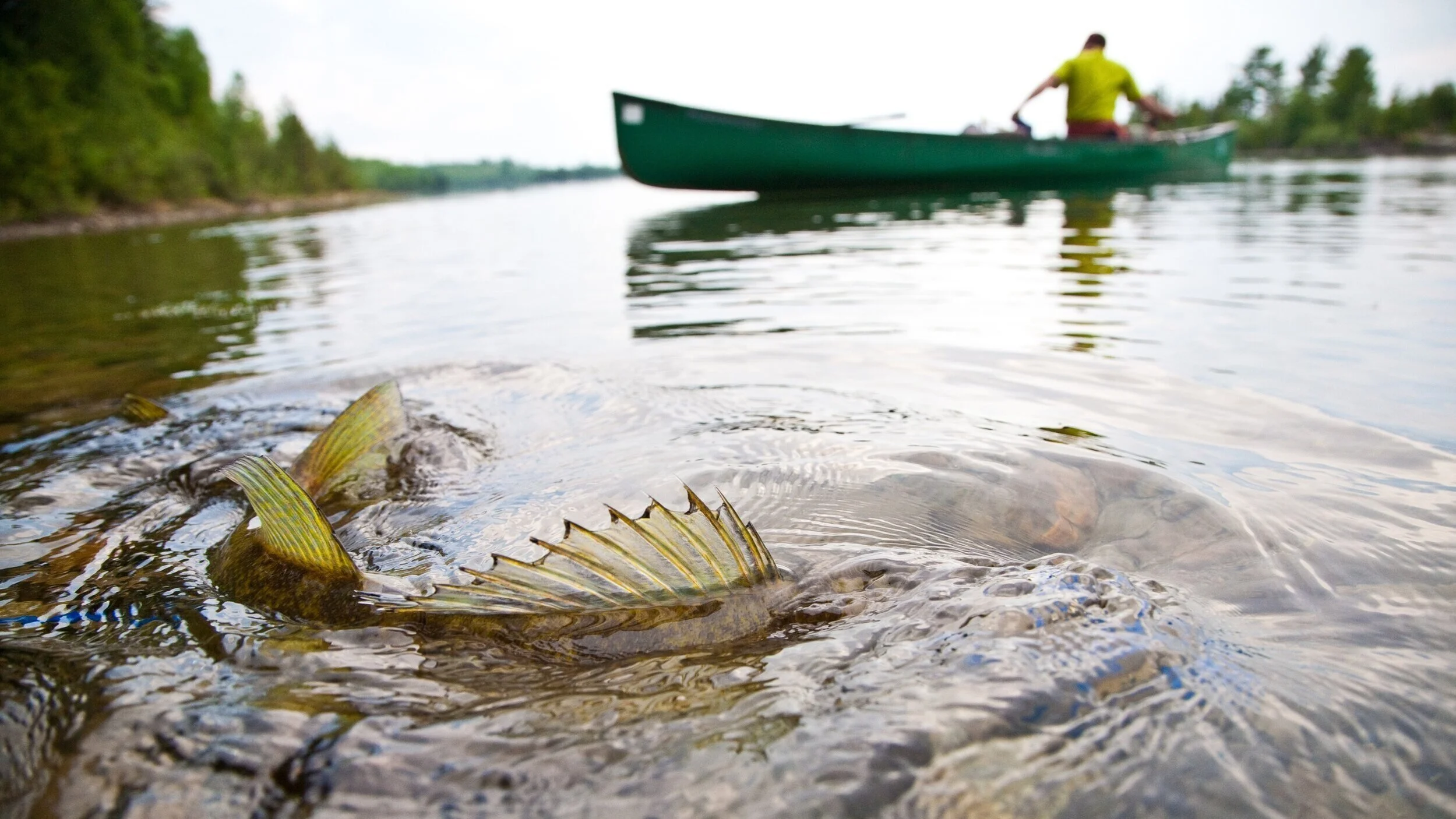
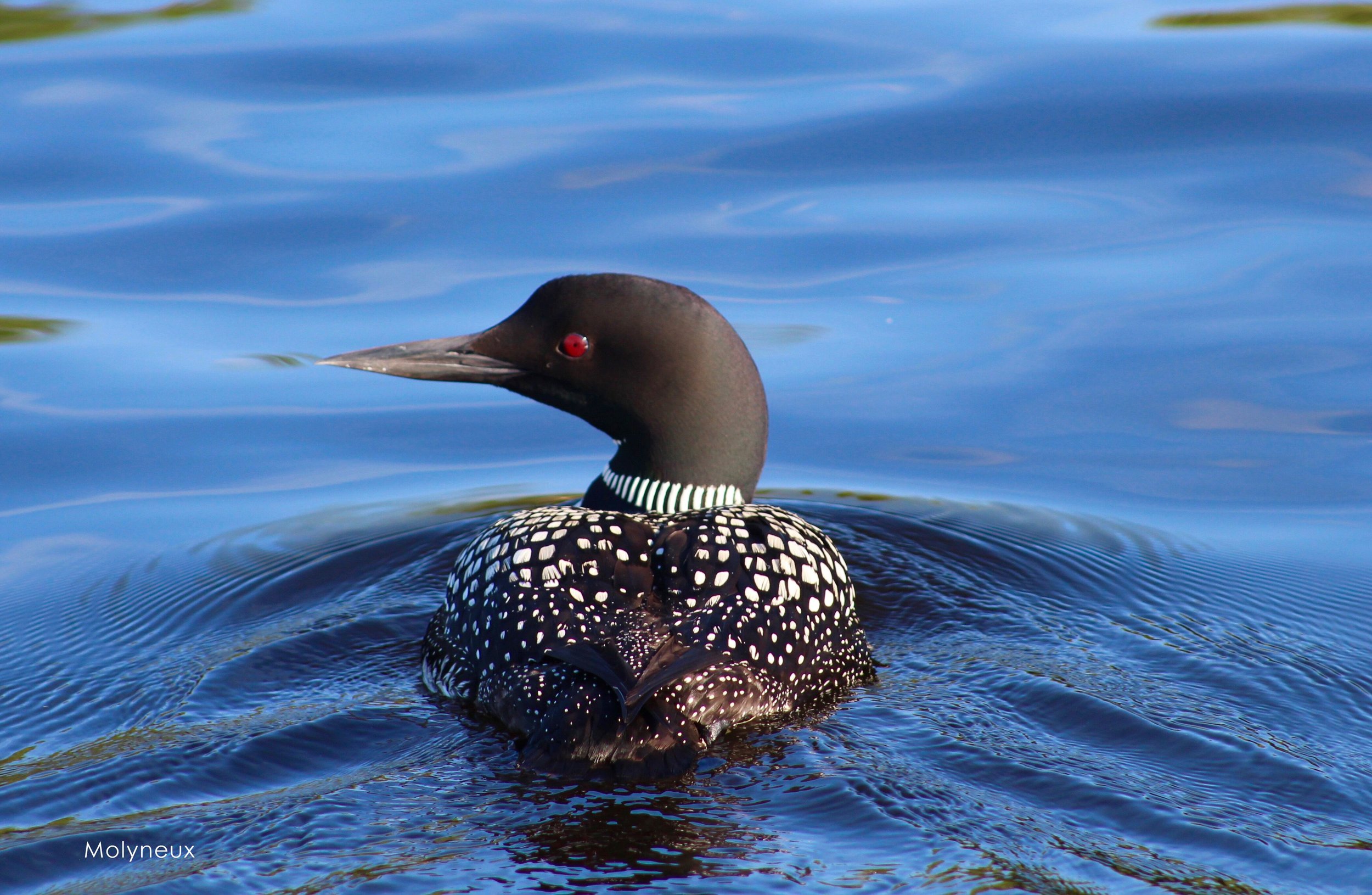
Voyageurs National Park spans 218,000 acres, including 84,000 acres of water. This rich aquatic ecosystem is home to loons, snapping turtles, wood frogs, otters, and 53 fish species, including lake sturgeon, walleye, and smallmouth bass. Park wildlife depends on clean, healthy water to thrive.
Each year, the water-based park attracts 240,000 visitors to enjoy activities like kayaking, swimming, boating, and fishing. Outdoor recreation and tourism play a vital economic role, contributing $19 million annually to the local economy, supporting more than 300 jobs.
Why Sulfide-Mining Threatens Voyageurs
Sulfide-ore mining for copper, nickel, and other metals is fundamentally different from traditional iron mining. When exposed to air and water, sulfide ore produces sulfuric acid, which can leach toxic metals into nearby waters.
This process, known as acid mine drainage, can:
Pollute lakes and rivers for decades or centuries
Release toxic metals like mercury, arsenic, and lead into ecosystems
Harm fish, wildlife, and human health
Threaten downstream waters, including Voyageurs National Park
Voyageurs sits at the downstream end of the Rainy River watershed, meaning pollution from upstream mining would inevitably flow through the park.
Make your voice heard by contacting your Senators—thank those who voted against H.J. Res. 140 to protect the Boundary Waters and Voyageurs National Park or share your disappointment with those who supported it.
Timeline: Sulfide-Ore Mining Proposals in the Rainy River Watershed
April 16, 2026: The U.S. Senate voted 50-49 to pass H.J. Res. 140, overturning the 20-year mining ban on more than 225,000 acres of the Superior National Forest, upstream of Voyageurs.
January 2026: U.S. House passes H.J. Res. 140 to overturn the mineral withdrawal
2024–2025: Ongoing legal and legislative efforts to reverse or modify protections
2023: 20-year mineral withdrawal enacted to study long-term risks of sulfide-ore mining
2016–2022: Federal leases issued, then canceled following environmental review
2015: Voyageurs Conservancy and the National Parks Conservation Association commission a hydrology study to document the risks to Voyageurs National Park if sulfide mining development occurs in the Rainy River Watershed.
A Watershed Report
Findings from a 2015 study commissioned by Voyageurs Conservancy and the National Parks Conservation Association document risks to Voyageurs National Park:
Report Summary: A Watershed Moment (PDF)
Full Report: Potential Metals Mining and Voyageurs National Park, Tom Myers, PhD (PDF) - Map: Voyageurs Watershed
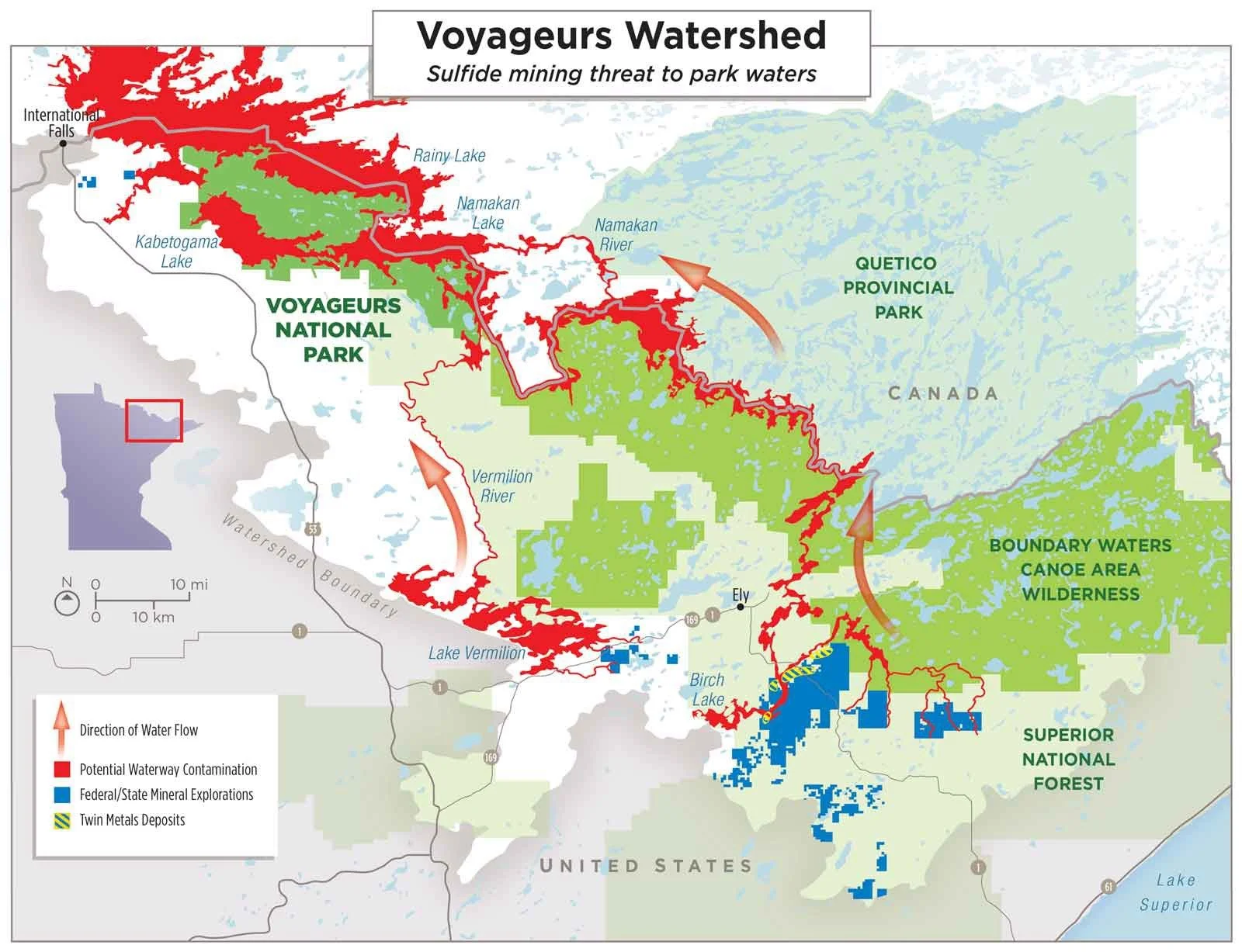
“Voyageurs is at the downstream end of its watershed, so everything entering the watershed passes through it before reaching Canada. Mercury contamination, leaching of arsenic, or other acid mine drainage will pass through the park.”
A Water-Rich Landscape at Risk
Northern Minnesota is one of the most water-rich landscapes in North America. Thousands of lakes, wetlands, and interconnected waterways define this region—and make it uniquely vulnerable. Scientific studies and real-world examples show that sulfide mining and water do not mix safely, especially in areas with abundant surface water. Even small leaks or failures can have long-term, irreversible impacts on ecosystems, recreation, and local economies.
Voyageurs National Park encompasses:
World-class fishing, paddling, and wildlife habitat
Local businesses and tourism economies
Cultural and ecological connections across Minnesota and Ontario
Pollution from sulfide mining could undermine all of this—impacting not just the park, but communities across the watershed.
Voyageurs Conservancy is committed to ensuring that our National Park remains protected for its surrounding communities, park visitors and future generations. The effects of acid mine drainage from sulfide (copper-nickel) mining in our watershed leave the potential for permanent damage to Voyageurs National Park’s waters and wildlife. The Conservancy is carefully monitoring this issue and the potential impacts to Voyageurs.